Complete Sweden Guide
Sweden stretches 1,600 kilometers from north to south, from agricultural Scania to Lapland's tundras. From our Stockholm office, we see each season reshape the country: birches turn yellow in September, lakes freeze from November onward in Norrland, and the sun never sets from mid-May to mid-July beyond the Arctic Circle. This geographic range shapes every serious itinerary—you can't combine Malmö and Kiruna without planning an internal flight.
Four regions structure our trips. Stockholm and its archipelago of 30,000 islands offer a natural entry point, with regular public ferries to Vaxholm or Sandhamn. Swedish Lapland, around Kiruna, Abisko, and Jukkasjärvi, concentrates the northern lights from October to March and Sámi culture. The west coast between Gothenburg and Strömstad lines up red wooden fishing villages and the flat islands of Bohuslän. Finally, Dalarna, around Lake Siljan, preserves midsummer traditions and the painted horses of Nusnäs.
Two distinctive features mark a trip here: nature accessible to all thanks to Allemansrätten, the right of public access that lets you camp and pick berries almost anywhere, and reliable logistics—punctual SJ trains, empty roads, well-maintained accommodations. For a first trip, plan 10 to 14 days combining two regions rather than trying to cover everything.
The regions of Sweden
Each region has its own personality: climate, landscapes, pace of life and ways of traveling. Our local team helps you choose the combination that suits you.
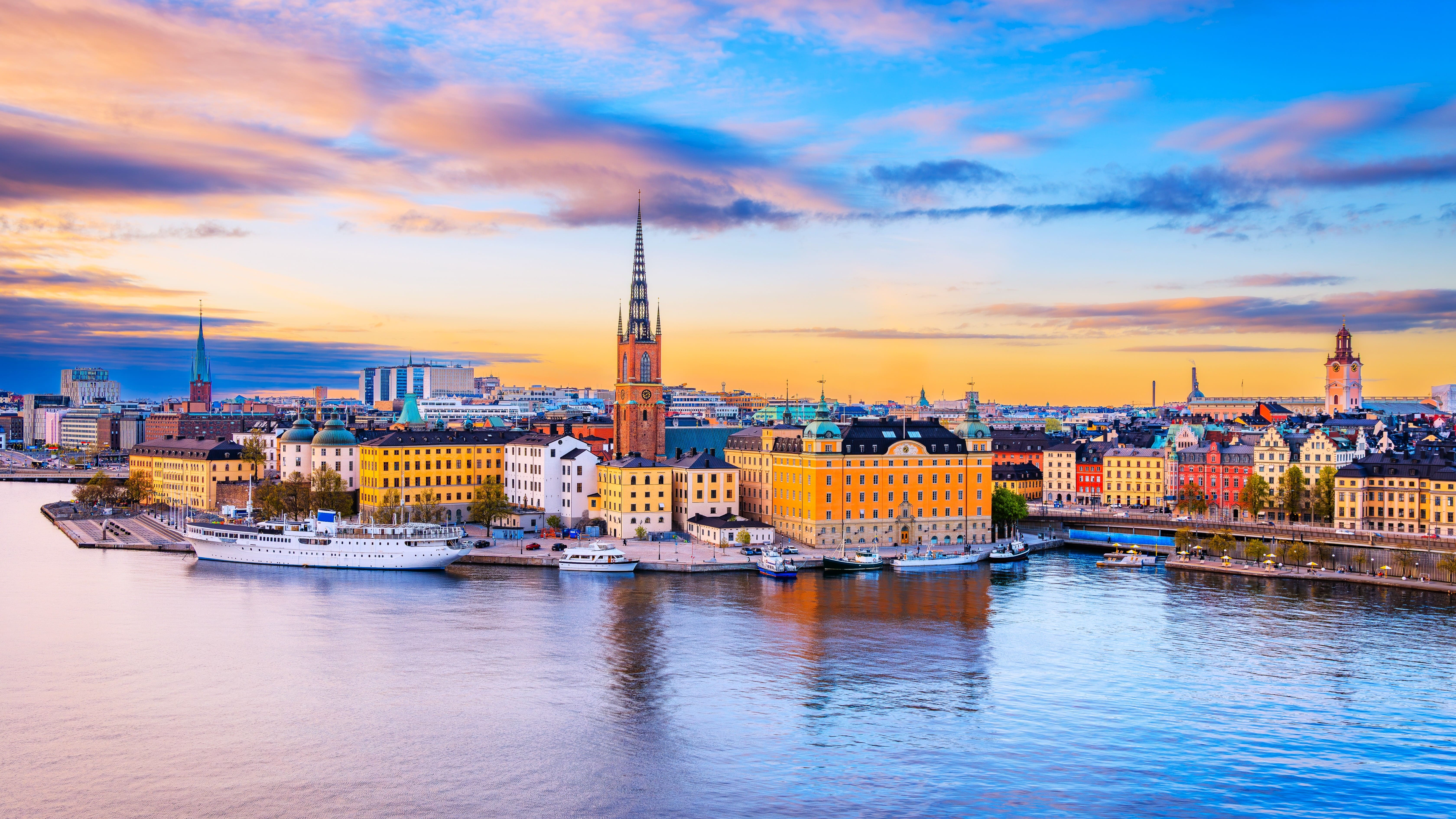
Stockholm and archipelago
The capital spreads across 14 islands connected by 57 bridges, with its archipelago comprising nearly 30,000 islands and islets extending to the Baltic Sea. From Strömkajen quay, Waxholmsbolaget ferries serve Vaxholm in 1 hour, Sandhamn in 2.5 hours, and Grinda for an overnight stay in a red cabin. The climate remains temperate, 22°C in July, 0°C in January with the sea occasionally frozen over. Gamla Stan, the medieval old town, can be explored on foot in half a day, followed by Djurgården for the Vasamuseet and its 1628 ship. We recommend spending 3 to 4 days here, with at least one night in the archipelago to understand the Swedish relationship with water.
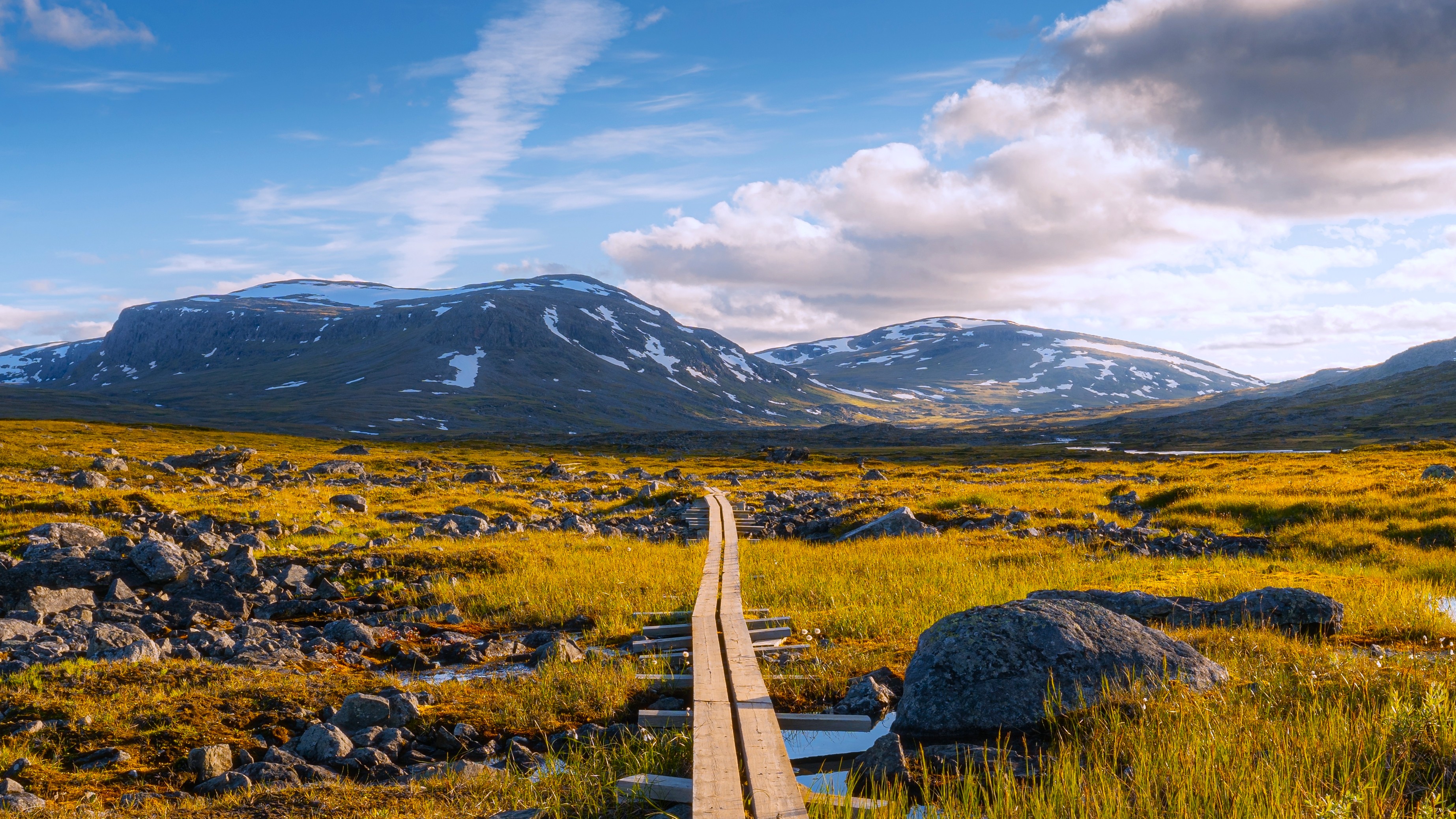
Swedish Lapland
The Great North begins at Kiruna, a mining town currently relocating due to ground subsidence. Nearby, Abisko and its national park offer one of the world's best skies for the Northern Lights, between September and March, with a statistics of 200 clear nights per year. Jukkasjärvi hosts the Icehotel, rebuilt every winter since 1989. Winter temperatures between -15 and -30 °C, extreme cold equipment essential that we provide. In summer, the midnight sun illuminates hikes on the Kungsleden, the royal trail of 440 km. It is also the territory of the Sami people, reindeer herding and living culture at Jokkmokk.
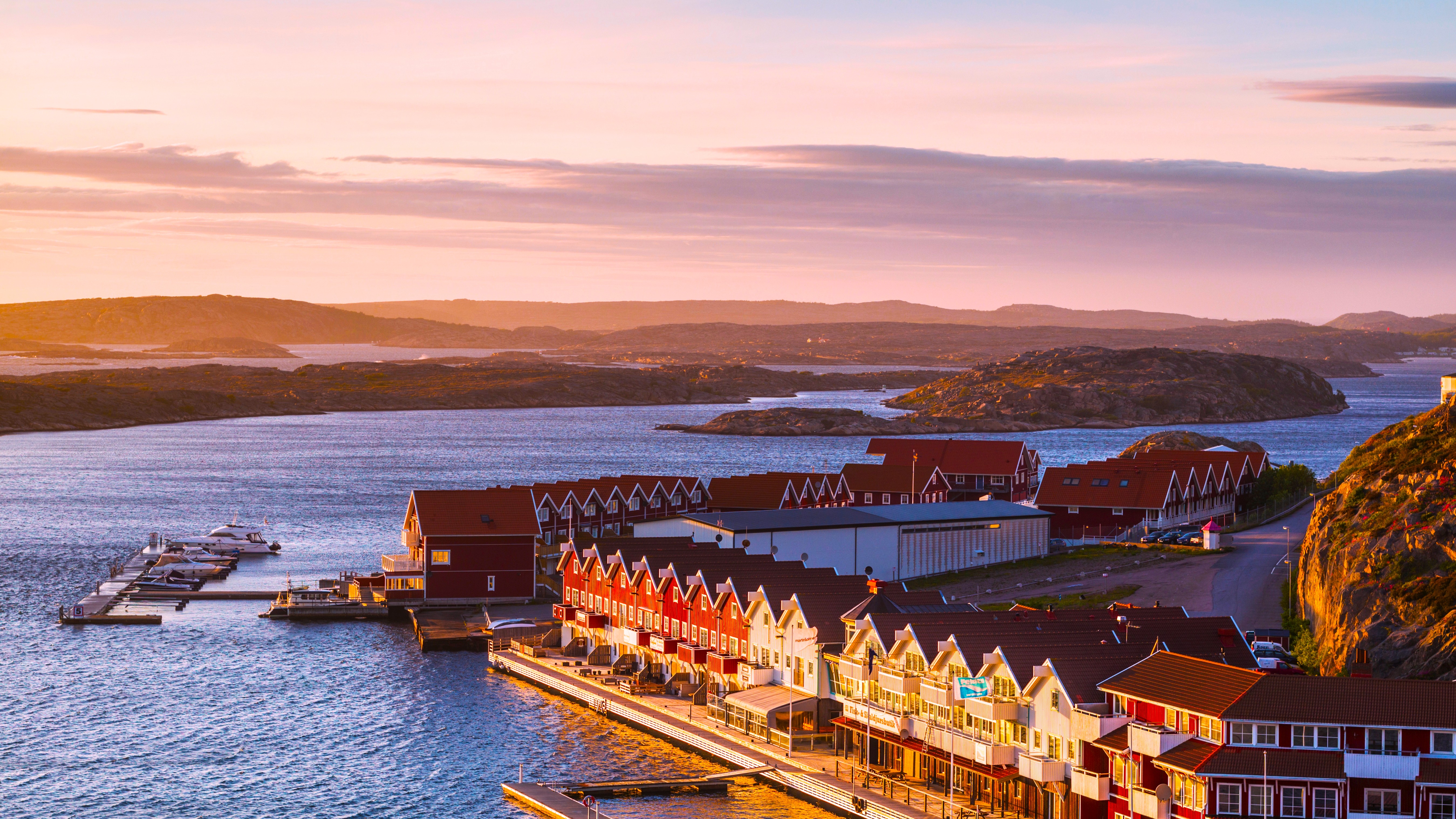
West Coast and Bohuslän
From Göteborg to the Norwegian border, the Bohuslän coast features granite islands polished by glaciers and fishing villages with red and white houses. Smögen, Fjällbacka, and Marstrand are reached by car in 2 to 3 hours from Göteborg, with boat shuttles between the islands. Maritime season from May to September, water at 18-20°C in July, evenings still cool. Local cuisine is built around herring, crab, and shrimp from Strömstad. We often include it as a complement to a Stockholm stay to showcase Sweden's Atlantic maritime side, very different from the Baltic.
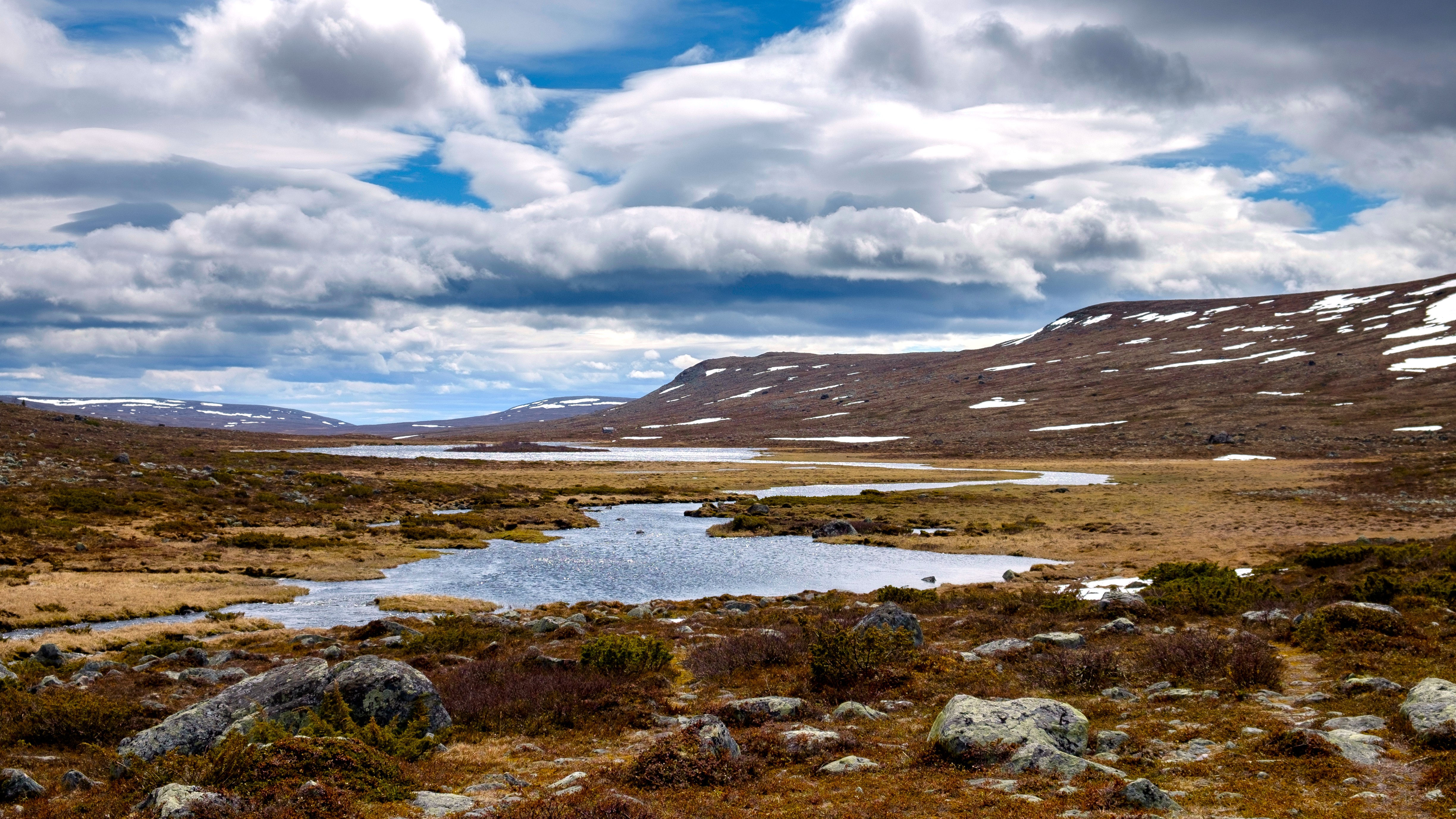
Dalecarlia and Lake Siljan
The historical and folkloric heart of the country, Dalecarlia revolves around Lake Siljan, formed by a meteorite impact 360 million years ago. Mora, Rättvik and Tällberg dot its shores, and the village of Nusnäs still handcrafts wooden painted horses, the Dalahäst. Summer solstice, Midsommar, is celebrated here in its most traditional form, with dances around the flower-adorned maypole and wildflower crowns. Temperate continental climate, 20°C in July, snow from December to March. Plan for 2 to 3 days in a loop from Stockholm, accessible by a 3-hour train ride to Mora.
Scania and South
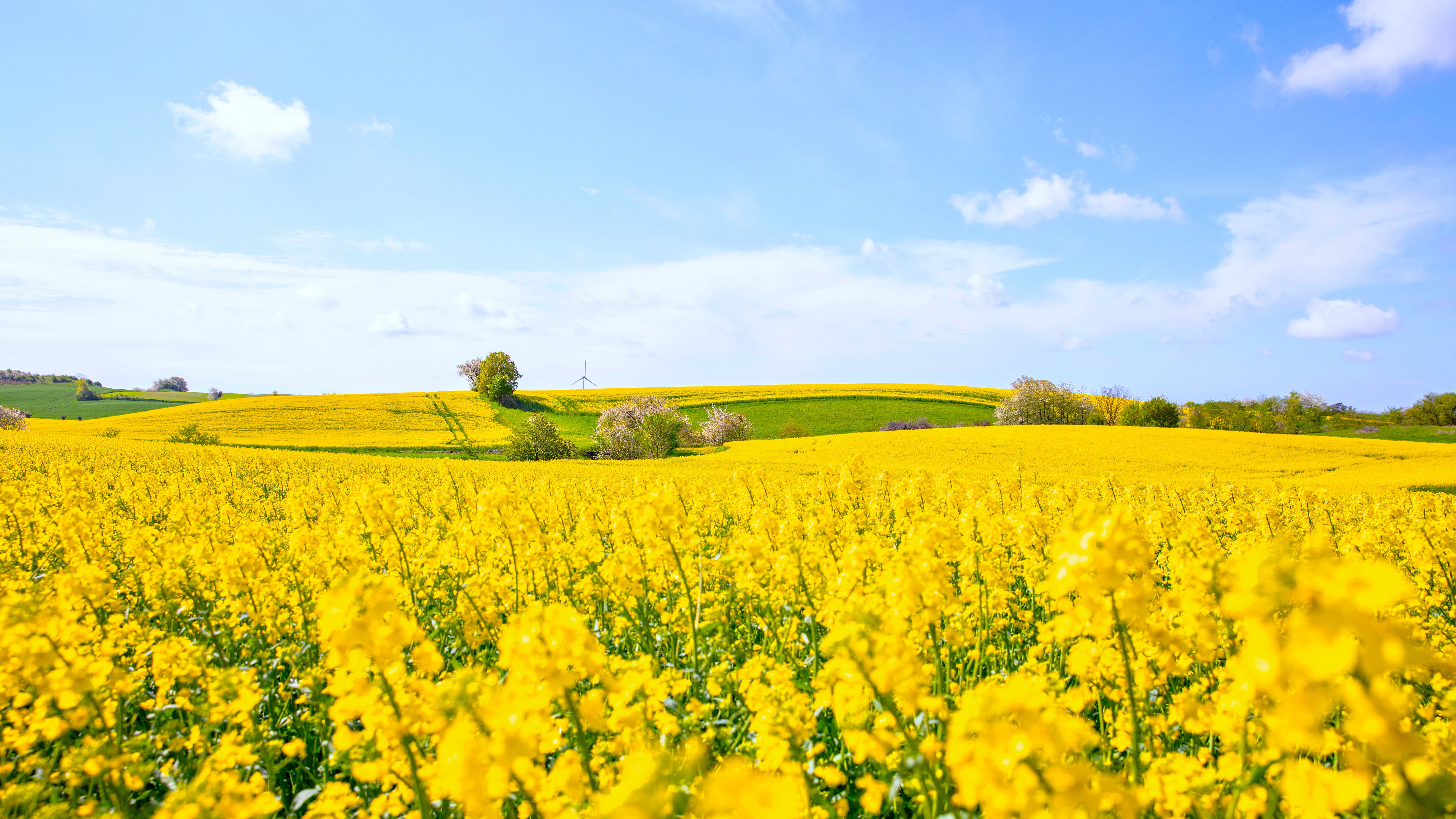
Scania, the southern tip of the country, was Danish until 1658 and retains half-timbered architecture and open fields reminiscent of neighbouring Denmark. Malmö connects to Copenhagen via the Øresund Bridge in 35 minutes. Ystad, immortalised by Mankell's novels, opens onto the white sandy beaches of Sandhammaren and the standing stones of Ales Stenar, a Viking circle facing the Baltic. Mildest climate in Sweden, 23°C in July, winters rarely below -5°C. An agricultural and gastronomic region, it is our recommended gateway to combining Sweden and Denmark over 12 days.
Explore by theme
Unique experiences tailored to every traveler.
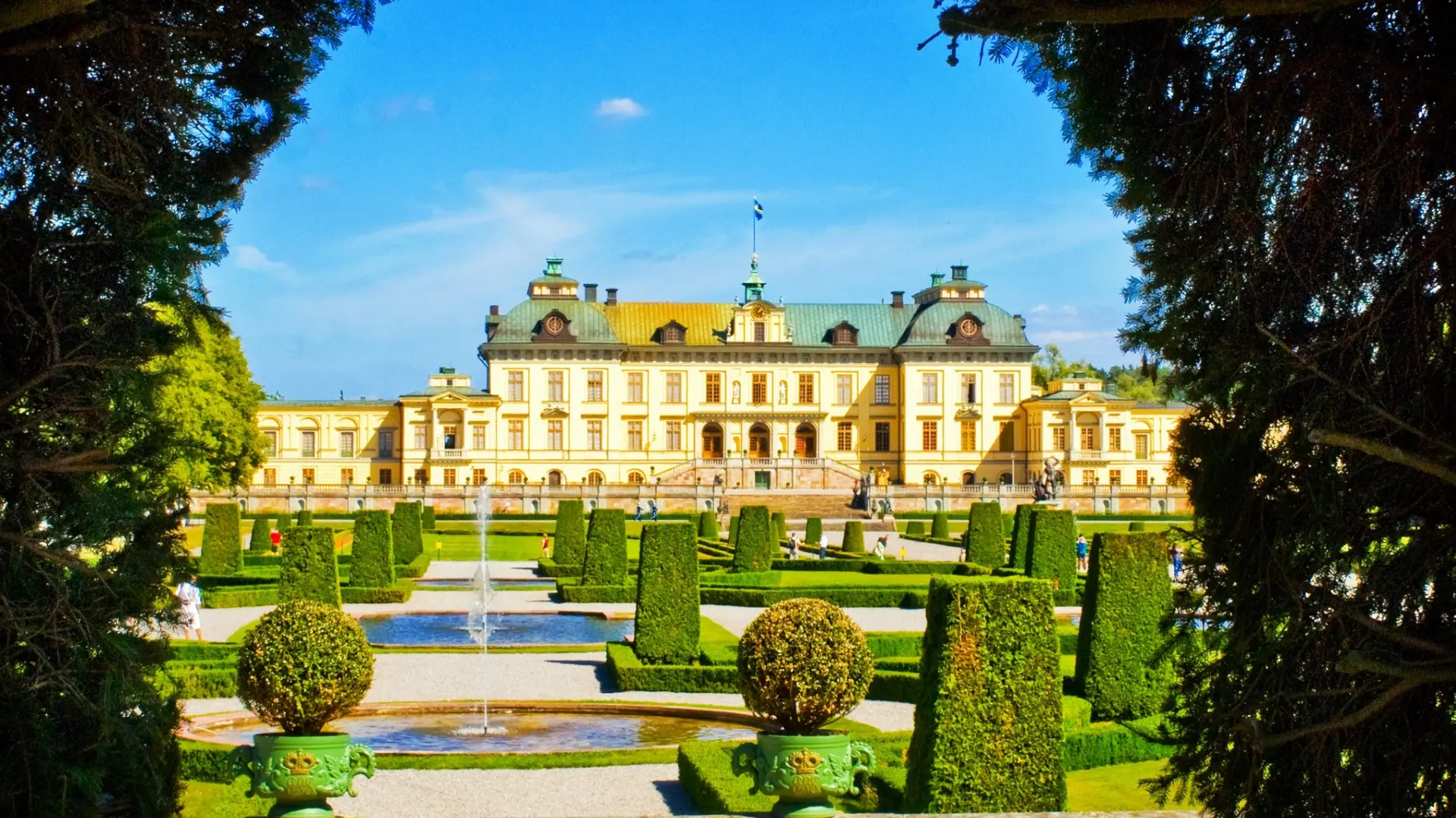
Culture & Heritage
Temples, musées, sites historiques
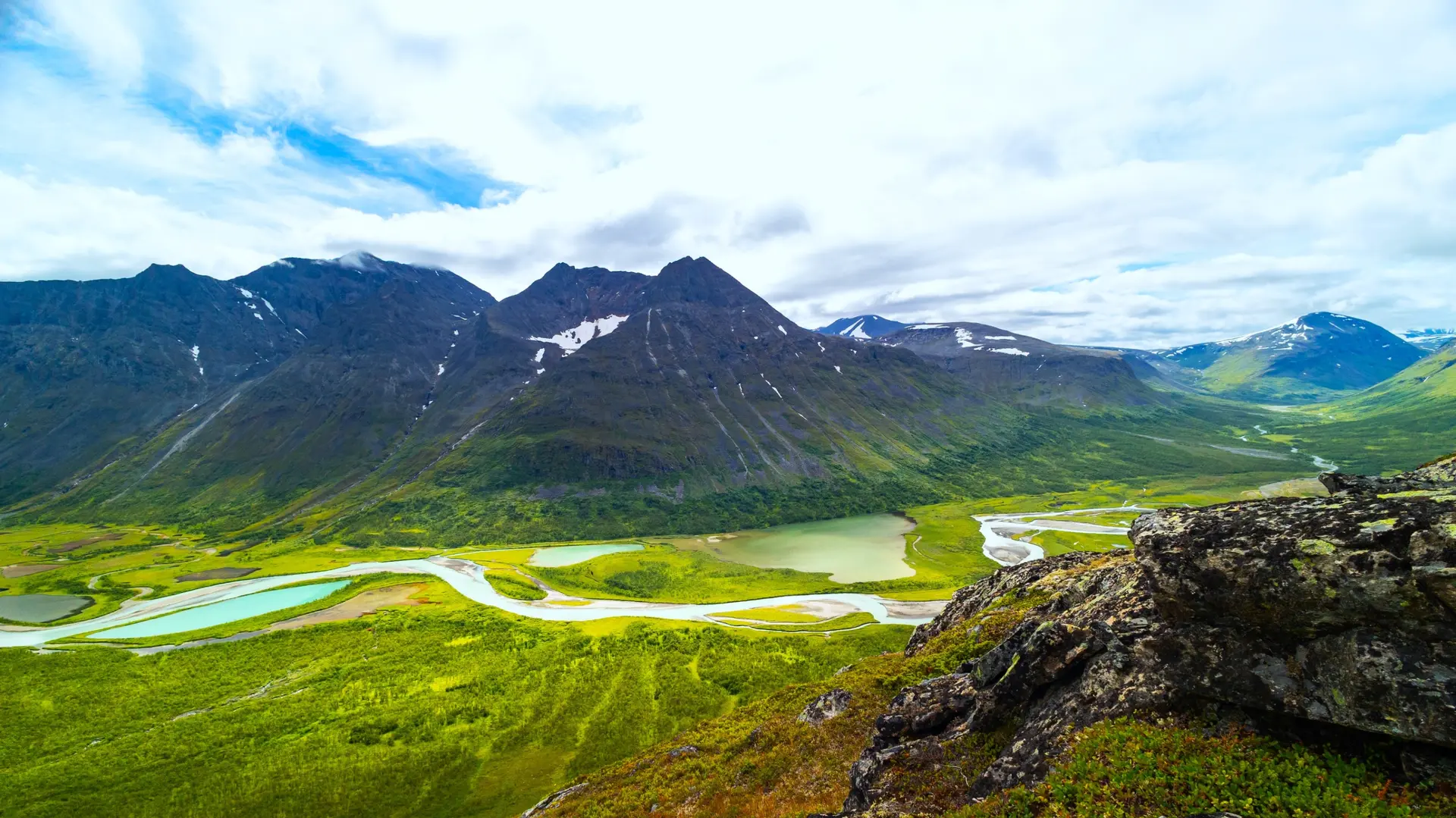
Nature & Landscapes
Parcs nationaux, montagnes, forêts
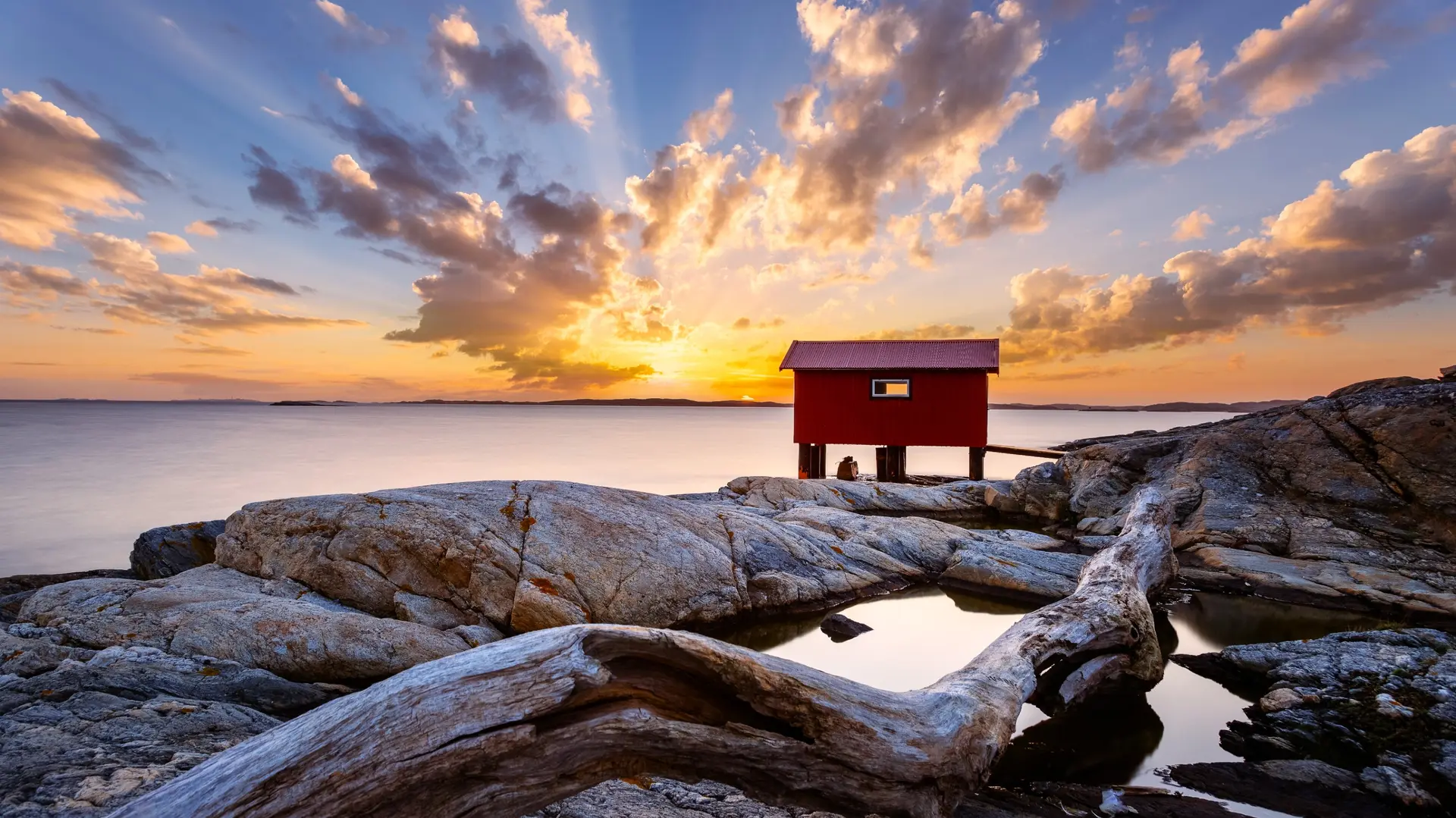
Sea & Beaches
Littoral, îles, sports nautiques
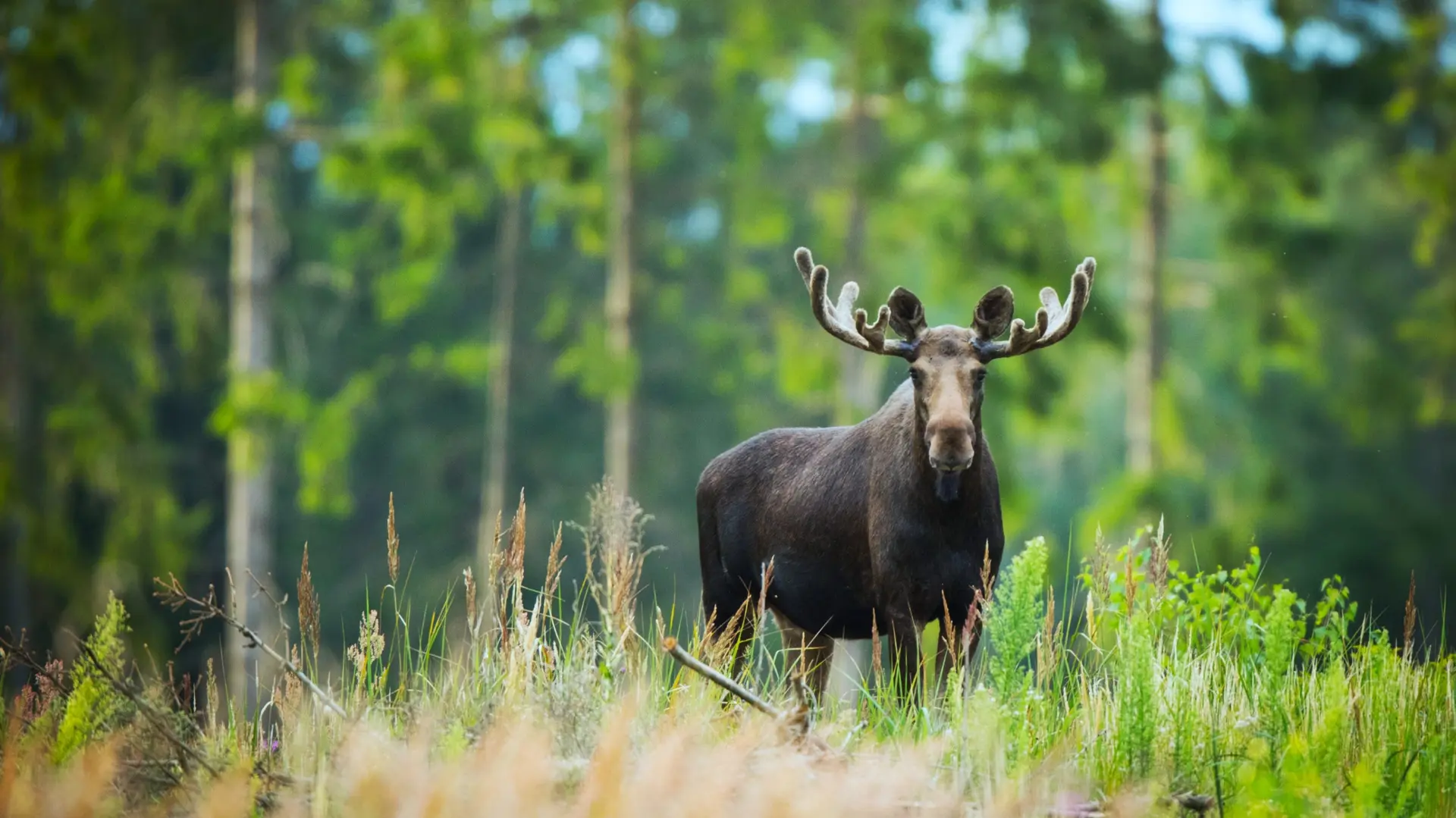
Wildlife & Biodiversity
Observation animale, sanctuaires, réserves
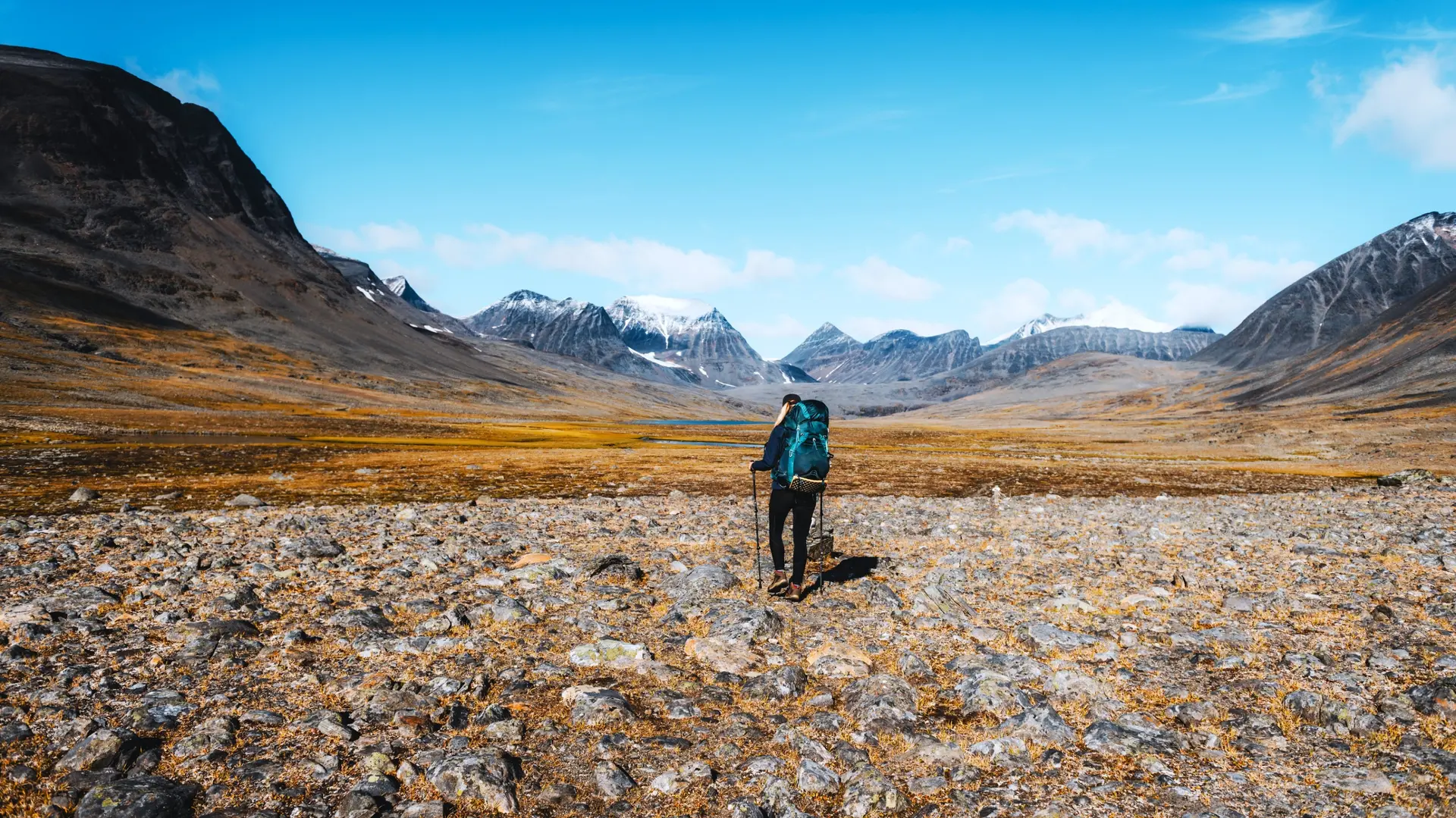
Activities & Adventure
Trek, kayak, escalade, sports outdoor

Gastronomy
Cuisine locale, marchés, cours de cuisine
We use cookies to improve your experience and measure our site's audience. You can choose what you accept. Learn more.