Practical information Sweden
This section brings together the practical information that our team in Stockholm shares daily with English-speaking travelers. Sweden belongs to the Schengen area, so no visa is required for French, Belgian or Swiss citizens—a valid ID card or passport is sufficient for a tourist stay. Regarding health, there are no mandatory vaccinations, the country has a modern hospital system and tap water is safe to drink everywhere. Budget-wise, Sweden is at the higher end of the European scale; expect 130 to 180 euros per day and per person excluding international flights for comfortable travel, with significant differences between Stockholm and Laponia. The Swedish krona remains the local currency, but the country operates almost cashless, with credit cards and the Swish app for locals. Climate varies greatly depending on latitude and season—May to September for southern regions and the archipelago, late September to March for the northern lights in Laponia. Transportation is reliable, with SJ trains for long distances, SAS or Norwegian domestic flights to reach Kiruna from Stockholm in 1.5 hours, and car rental useful in Bohuslän and Dalarna. Regarding local etiquette, Ramuté and our team emphasize punctuality, respecting queues, and removing shoes when entering private homes. Safety is excellent across the territory, with standard urban precautions in Stockholm, Gothenburg and Malmö.
Plan your trip by theme
Explore our practical guides organized by category to quickly find the information you need.
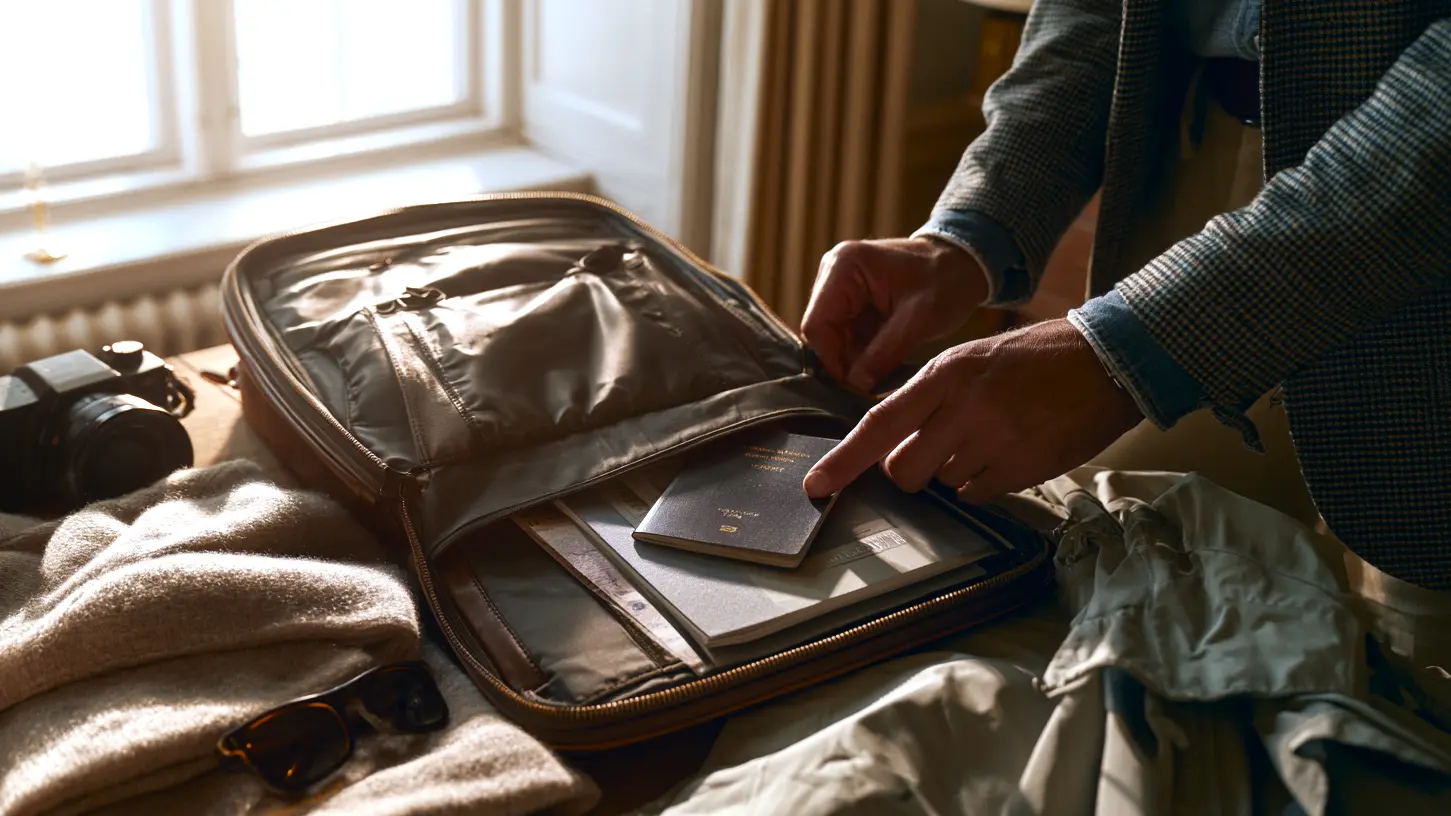
Before You Go
Schengen, ID card or passport, travel insurance, no mandatory vaccines, formalities to arrange in advance for Sweden.
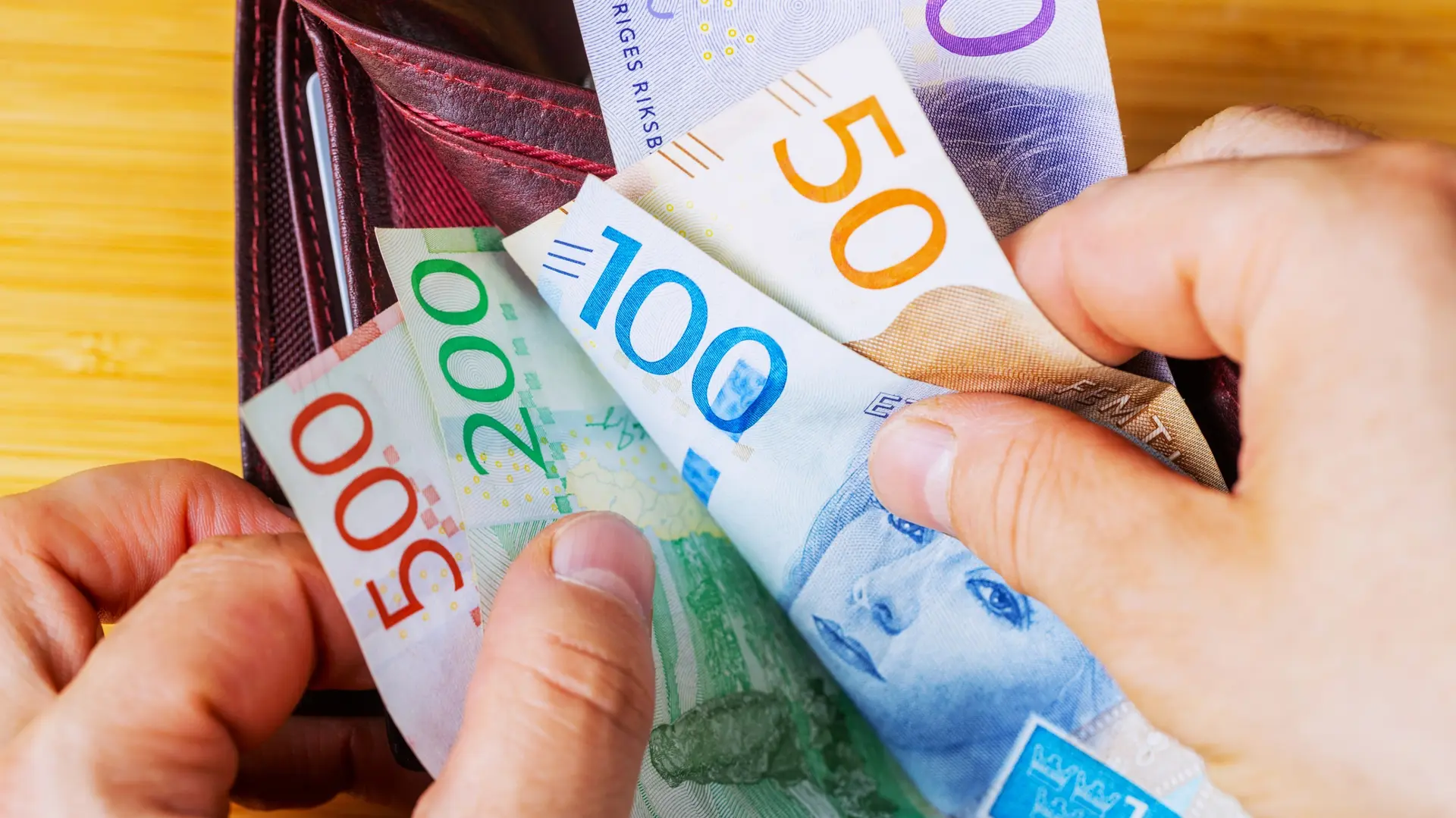
Budget
Swedish krona, cashless payment, card accepted everywhere, budget range of 130 to 180 euros per day and per person.
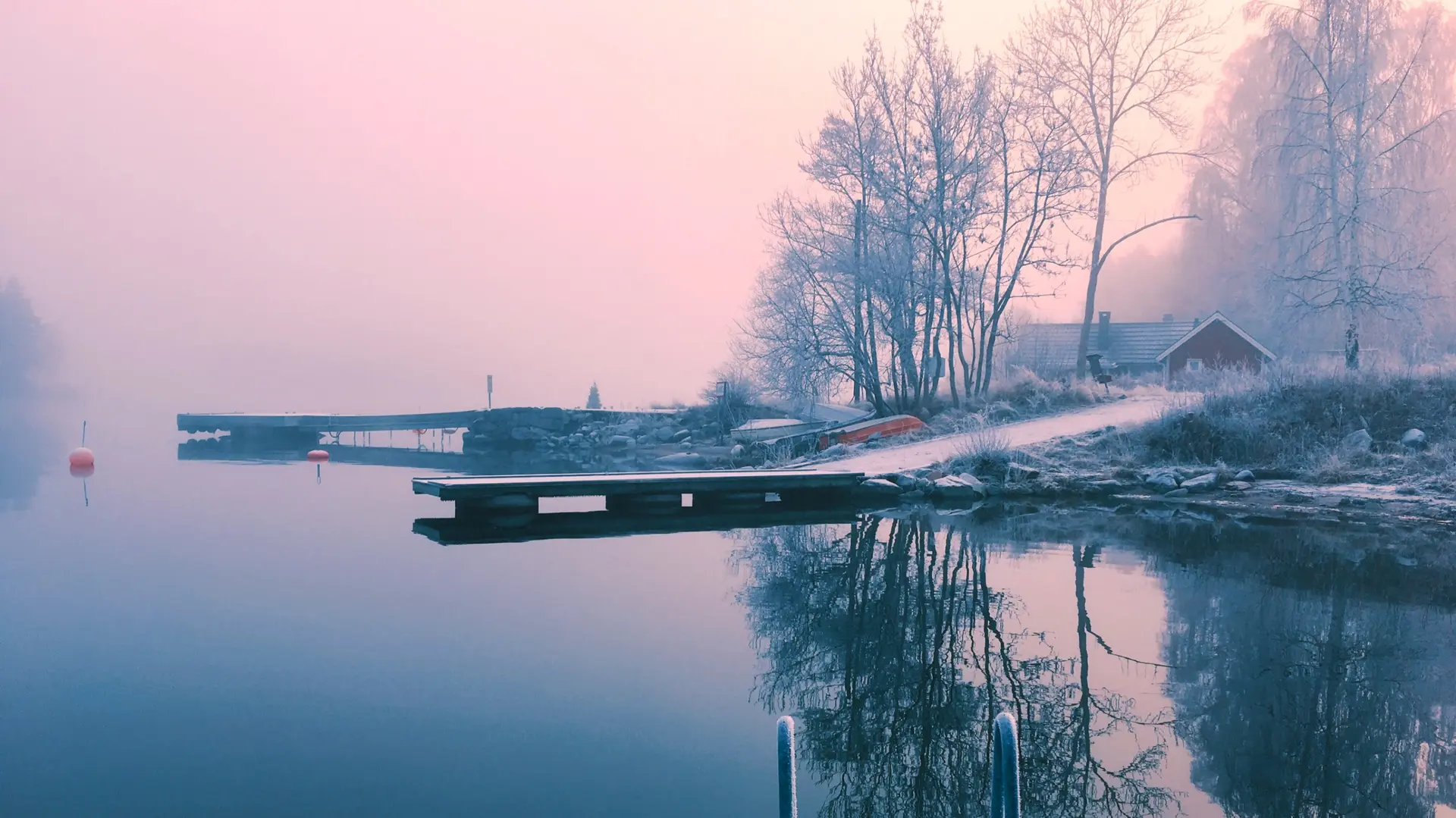
Climate Season
Mild summer 20-23°C in the south, cold winters -20°C in Laponie, northern lights from September to March, midnight sun in June-July.
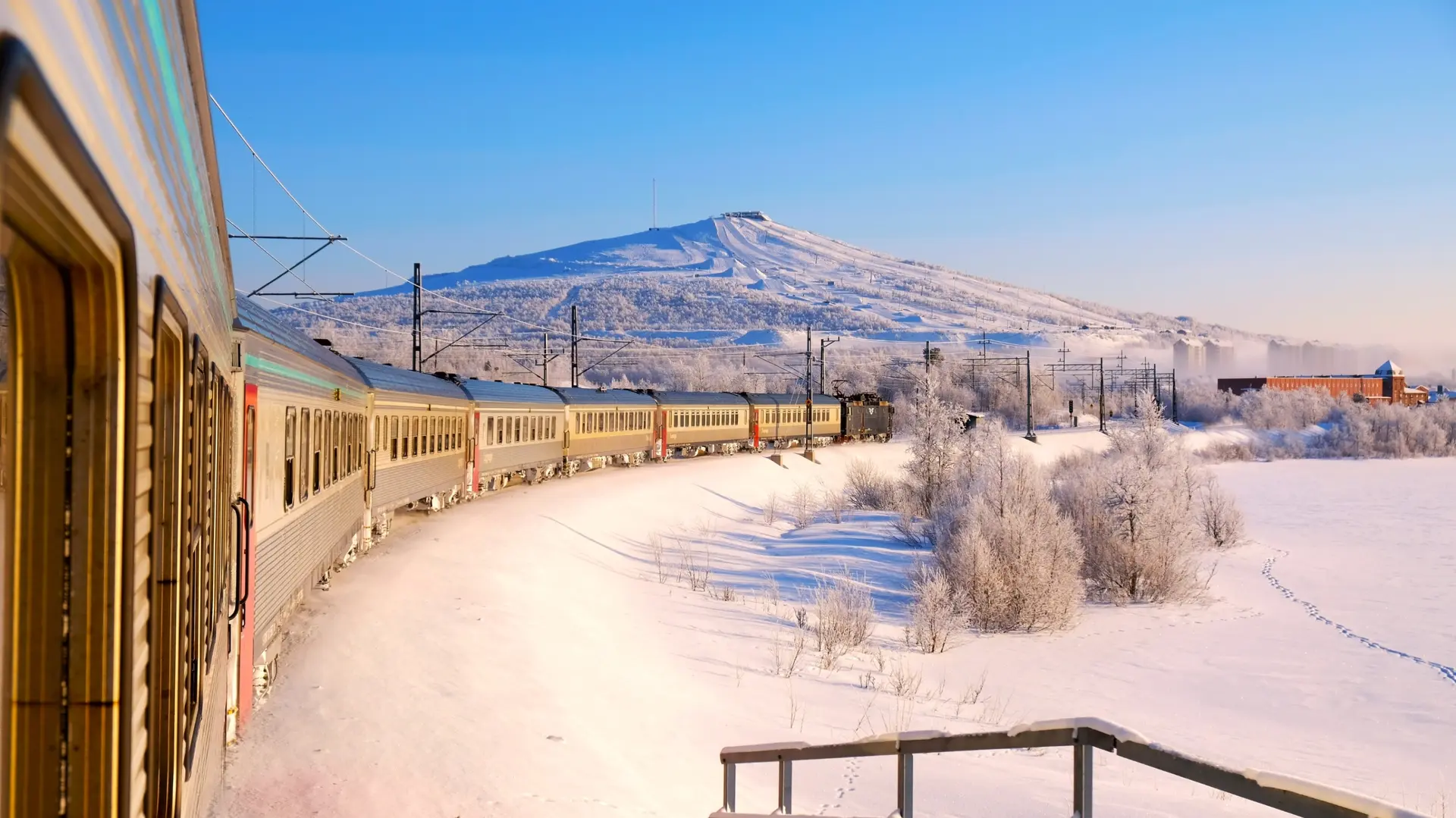
Transports
Punctual SJ trains, domestic flights to Kiruna, ferries in the archipelago, car rental useful in the north and west.
Culture
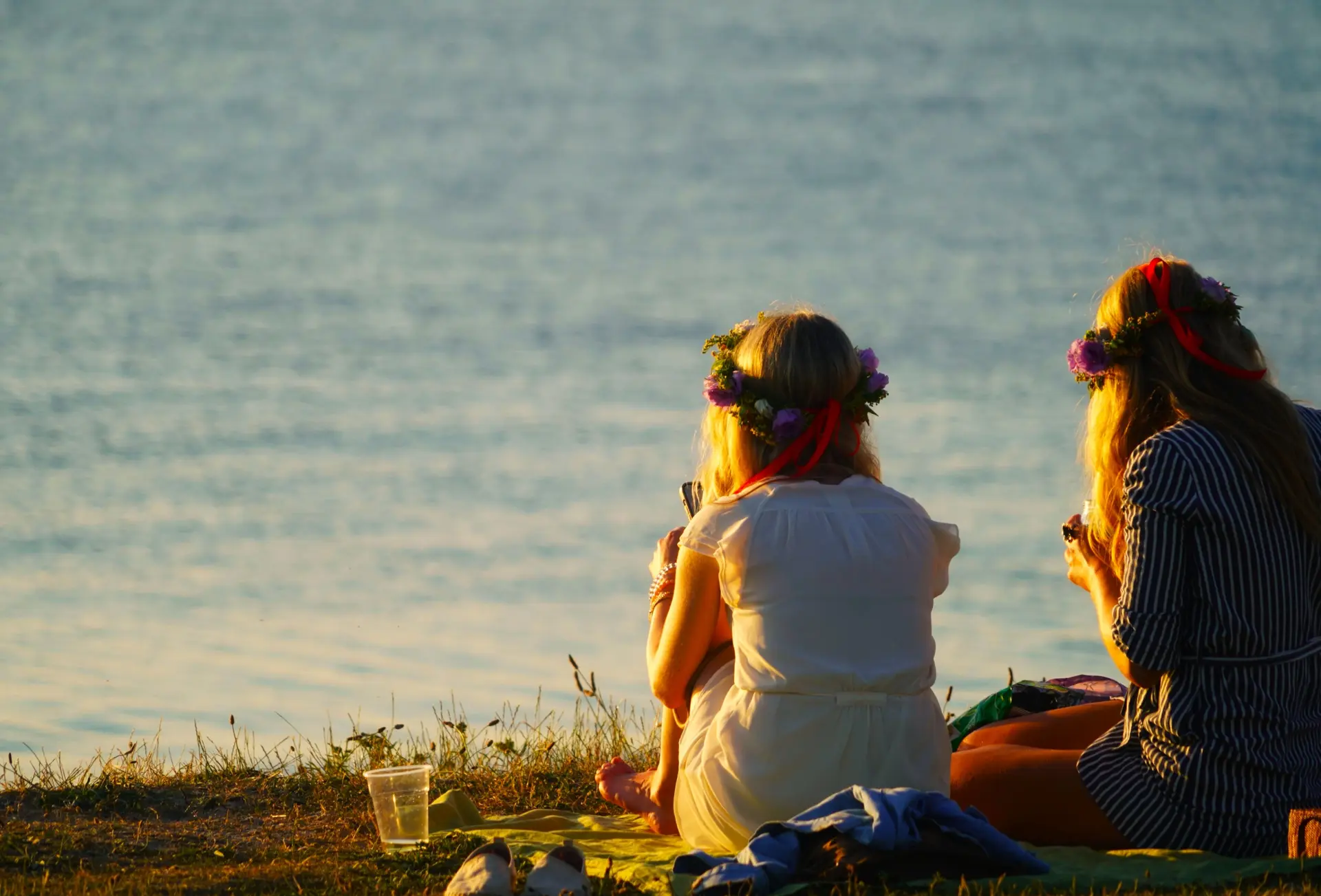
Punctuality, lagom, removing your shoes, fika in the afternoon, respect for nature through Allemansrätten.
Useful Tips
Drinking water everywhere, type F sockets 230V, widespread 4G coverage except in mountains, high security level, English widely spoken.
All practical guides
Search and filter among 0 articles
No articles match your criteria.
Frequently asked questions
The answers to the most frequently asked questions from our travellers.
No, Sweden is a member of the European Union and the Schengen area. French, Belgian, Swiss and Luxembourg nationals enter without a visa for tourist stays of up to 90 days. A valid national identity card is sufficient for French and Belgian citizens, though a passport is still recommended as some airlines require it and it facilitates checks. Swiss nationals travel with a passport. Be sure to verify the validity of your document, as it must cover the entire duration of your stay. For nationals from outside the EU and Schengen area, a Schengen short-stay visa is required, to be requested from the Swedish embassy. Our team in Stockholm systematically verifies these conditions before departure.
No vaccines are mandatory to enter Sweden. We simply recommend staying up to date with universal vaccinations: diphtheria, tetanus, poliomyelitis, and depending on your situation hepatitis A and B. For summer stays in forests and archipelagos, tick-borne encephalitis can be discussed with your doctor if you plan extended hiking and camping in the south and central parts of the country, as the disease is present in certain wooded areas. Rabies is not a risk. Sweden's healthcare system is excellent and the European health insurance card provides access to public healthcare on the same terms as residents. Supplementary travel insurance remains useful for medical evacuation.
Sweden is among Europe's most expensive destinations. Budget between 130 and 180 euros per day and per person excluding international flights for a comfortable trip, including accommodation, meals, local transport and activities. A 3-star hotel in Stockholm costs around 150 euros per night during high season, a restaurant meal between 25 and 40 euros, a beer 7 to 9 euros. Experiences in Lapland, dog sledding, a night at the Icehotel, northern lights safari, push the daily budget beyond 250 euros. Conversely, public transport and museums remain affordable, and Allemansrätten allows free camping in the wilderness.
It all depends on what you're looking for. From mid-June to late August, summer offers 18 to 23 °C, very long days, midnight sun north of the Arctic Circle, ideal for the Stockholm archipelago, Bohuslän and Dalarna. Midsommar around June 21st remains the most emblematic celebration. From September to March, Laponia becomes the priority, with frequent northern lights between Kiruna and Abisko, snow activities from December to March, temperatures from -15 to -30 °C. April and early May are best avoided, snow melt and dull landscapes. Our team guides each traveler toward the most suitable season-region combination.
The SJ railway network is the backbone of the country, with punctual and comfortable trains connecting Malmö, Gothenburg, Stockholm and up to Kiruna with the night train. To save time heading to Lapland, SAS and Norwegian domestic flights connect Stockholm-Arlanda to Kiruna in 1 hour 30 minutes. In Stockholm, the metro and public ferries operated by Waxholmsbolaget efficiently serve the city and the archipelago. Car rental becomes relevant in Dalarna, in Bohuslän and to explore Lapland independently, with excellent roads but considerable distances—1,200 km between Stockholm and Kiruna. Drive on the right, and watch out for moose and reindeer at dawn and dusk.
Sweden boasts one of the world's highest safety levels for travelers. Violent crime remains very low in tourist areas, and the country is particularly safe for solo female travelers and families. Precautions are those of any major European city: vigilance against pickpockets in Stockholm's metro, around the central station, and in Gamla Stan's tourist areas. Certain peripheral neighborhoods in Stockholm, Gothenburg, and Malmö experience occasional tensions but fall outside tourist itineraries. In nature, the main concern involves mountain weather and extreme temperatures in Laponia, where our team provides the necessary equipment and briefing.
Ready to travel to Sweden?
Discover our tailor-made itineraries, designed by our local team. Each route adapts to your pace, your preferences and your travel season.
See our toursWe use cookies to improve your experience and measure our site's audience. You can choose what you accept. Learn more.