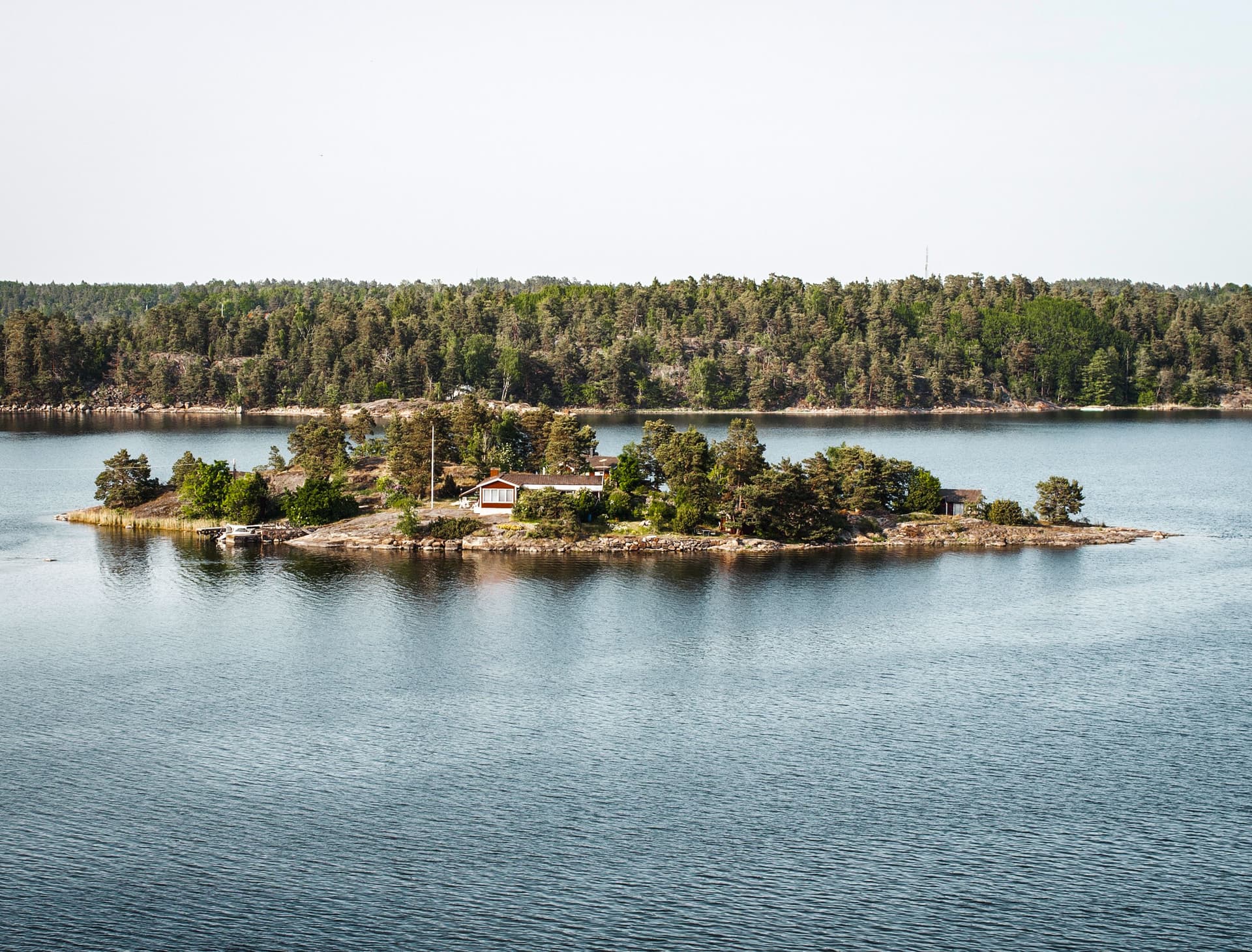
Björkö Island (Birka)
Björkö Island (Birka)
Björkö is home to Birka, a Viking trading post founded around 750 AD and inscribed as a UNESCO World Heritage site. Funeral mounds, an archaeological museum, and sweeping views of Lake Mälar lie just an hour from Stockholm.
Björkö is an island in Lake Mälar, an hour from Stockholm, renowned for its Viking heritage. It is home to Birka — Suède's oldest Viking settlement, founded around 750 AD. Inscribed on the UNESCO World Heritage list, the island holds an archaeological museum, hundreds of burial mounds, and a reconstructed wooden fortress. It's one of the rare places where the Viking era reads directly into the landscape.
Practical Information at a Glance
- Access: boat from Stadshuskajen (Stockholm City Hall quay) — crossing takes approximately 1 hour 30 minutes.
- Admission: the museum and guided site tour are ticketed; admission is often bundled with ferry passage.
- Recommended duration: a half-day to a full day.
- Season: ferry service runs primarily from May through September.
- What to wear: hiking boots recommended — trails cross meadows and rolling hills.
What to See
The Birka site encompasses several archaeological features visible to the naked eye. Hundreds of burial mounds scatter across the hillsides around the ancient settlement. The Borg, a partially reconstructed wooden fortress, dominates the island. The Birka Museum displays artifacts from excavations: jewelry, weapons, Arab coins, and everyday tools that attest to the city's commercial reach.
History and Context
Birka was an active trading post between approximately 750 and 975 AD. Its position on Lake Mälar made it a vital hub for exchanges between Scandinavia, Eastern Europe, and the Arab world. It was here that Ansgar, a Frankish monk, preached Christianity in 829 — the first Christian mission to Scandinavia. The city was abandoned in favor of Sigtuna towards the late 10th century. UNESCO inscribed Birka and Hovgården as a World Heritage site in 1993.
Highlights of Your Visit
The Burial Mounds
Over 700 funeral mounds remain around the site. Some contain burials of warriors, merchants, or high-status women — including the famous tomb Bj 581, which reignited debate over female Viking warriors.
The Birka Museum
Small but rich in content, the museum displays original pieces from 19th-century excavations led by Hjalmar Stolpe. Arab coins and glass beads illustrate the breadth of Viking trade networks.
The Costumed Guided Tour
English-speaking guides in Viking attire accompany groups around the site. The format is educational without being theatrical: explanations are grounded in current archaeological evidence.
The Lake Mälar Panorama
From the Borg, views across the lake and surrounding islands offer a tangible sense of the strategic position Birka occupied in medieval trade routes.
Photography Tips
Low morning or late afternoon light accentuates the relief of the mounds. Views from the Borg are clearer outside peak visiting hours (midday in summer). No known photography restrictions on the outdoor site; check rules inside the museum.
Location and Access
Björkö lies in Lake Mälar within Ekerö municipality, west of Stockholm. Access is exclusively by boat from the City Hall quay (Stadshuskajen). No road connects the island to the mainland. The site is not wheelchair-accessible due to grassed paths and elevation changes.
Nearby on Lake Mälar: Sigtuna, Suède's first Christian city, reachable from Stockholm by train and bus.
Nearby Attractions
- Sigtuna — medieval town that succeeded Birka as the seat of power, featuring Romanesque church ruins.
- Drottningholm Palace — royal residence on the UNESCO World Heritage list, also on Lake Mälar, accessible by boat from Stockholm.
- Nordic Museum, Stockholm — deepen your knowledge of Scandinavian history before or after visiting Birka.
Want to discover this destination?
Our local advisors design your tailor-made trip.