What to Do in Stockholm? The Must-See Attractions of Sweden's Capital
Stockholm, Suède
Though it is the largest city in Scandinavia, it remains a capital on a human scale and easy to explore, captivating visitors with its medieval heritage, artistic neighborhoods and ever-present nature.
Composed of 14 islands linked by 57 bridges, Stockholm is a city built on water. Though it is the largest city in Scandinavia, it remains a capital on a human scale and easy to explore, captivating visitors with its medieval heritage, artistic neighborhoods and ever-present nature. In this guide, discover the must-see things to do and see in Stockholm, the islands to explore and typical experiences to enjoy in what is nicknamed the "Venice of the North."
What to See Absolutely in Stockholm's City Center?
Gamla Stan, the Historic and Medieval Heart
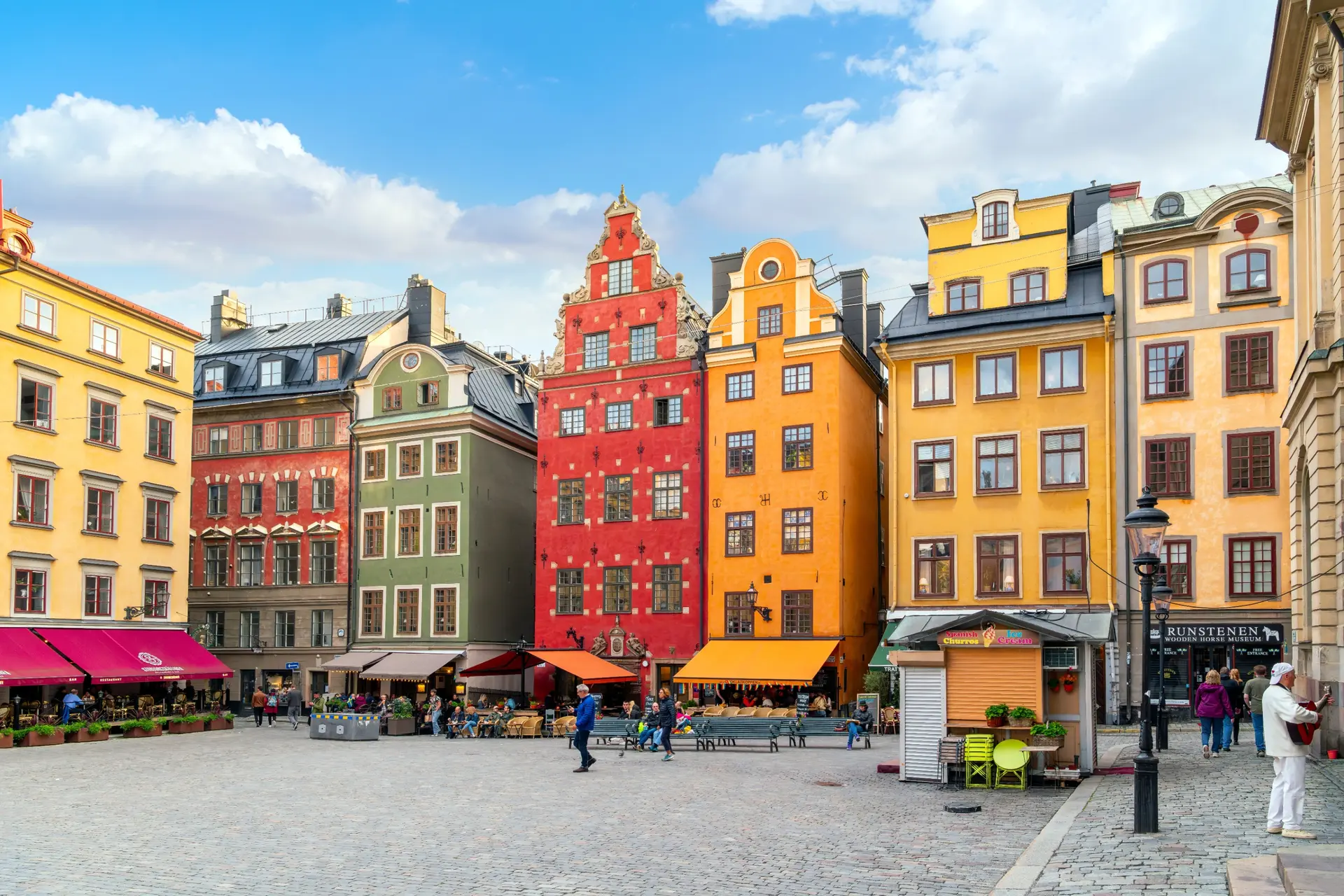
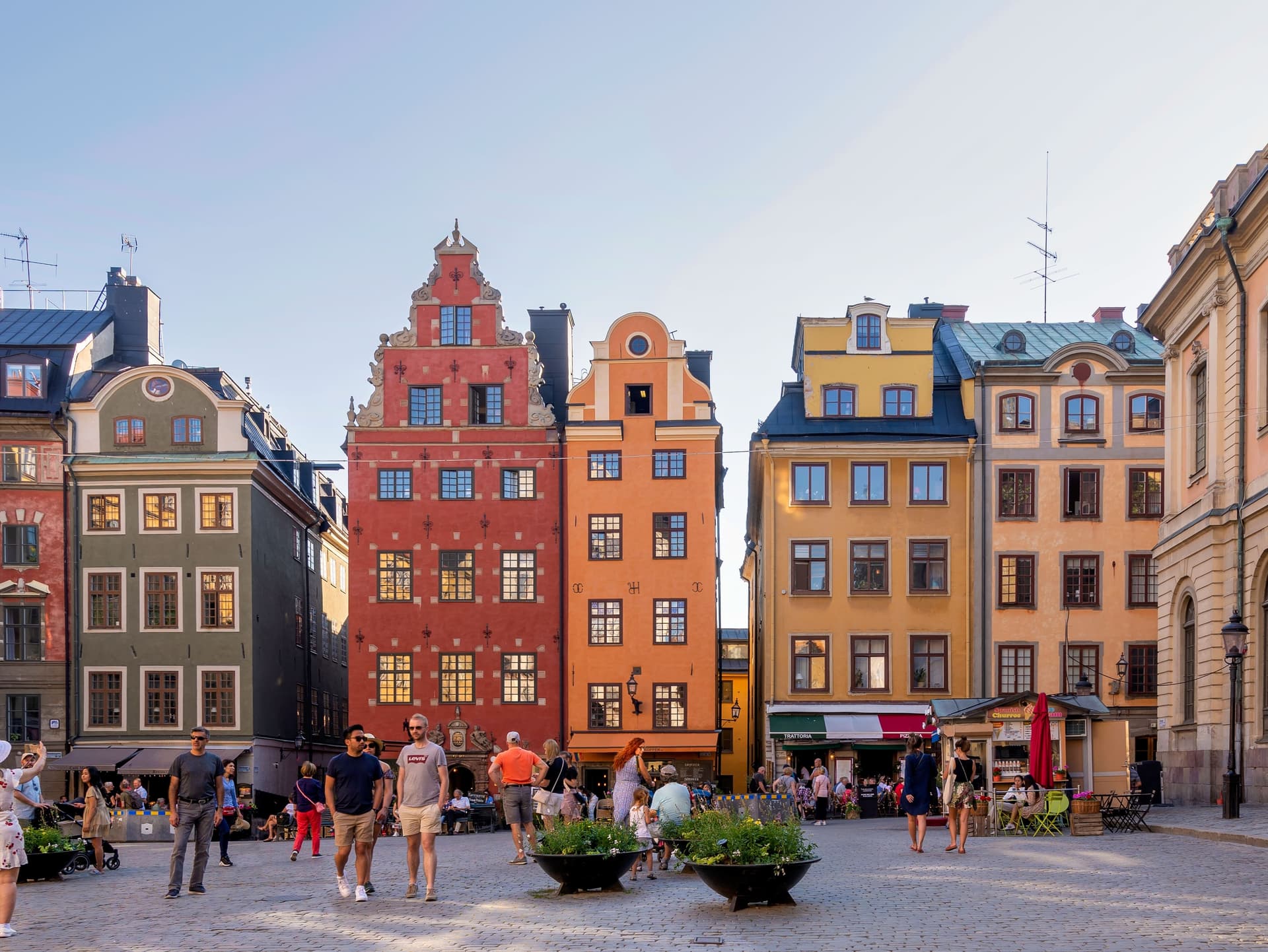
This is where it all began. Founded in the 13th century, Gamla Stan is one of the best-preserved medieval historic centers in Northern Europe. Walking through its narrow cobblestone streets, lined with ochre, red and yellow facades, you step into Stockholm of yesteryear.
As you stroll along, you discover Stortorget, the emblematic square of the old town, the Storkyrkan Cathedral, as well as the Royal Palace, the official residence of the King of Sweden. Despite its very touristy status, Gamla Stan maintains an authentic atmosphere and is among Stockholm's must-sees.
Södermalm, the Trendy and Bohemian District
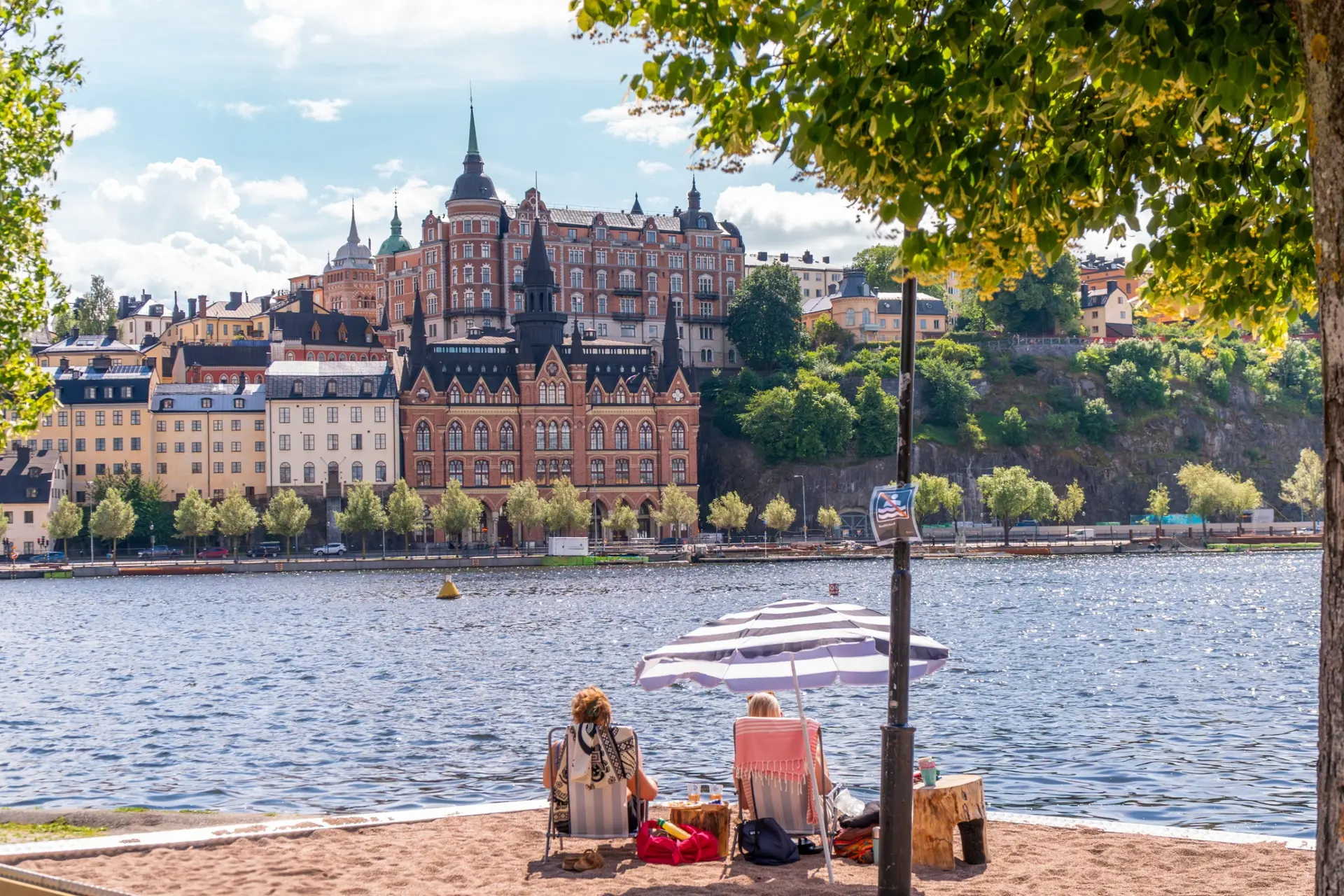
In contrast to the classicism of Gamla Stan, Södermalm embodies creative and contemporary Stockholm. Once popular, this district is now the haunt of artists and hipsters. Vintage shops, independent cafés, concept stores and art galleries follow one another in a relaxed atmosphere.
Södermalm is also known for its spectacular viewpoints over the old town and Lake Mälaren, particularly from Monteliusvägen or Fjällgatan. Between two shops, take time to stop for a fika or wander through the district's verdant parks.
Stockholm's City Hall, Symbol of Sweden's Capital
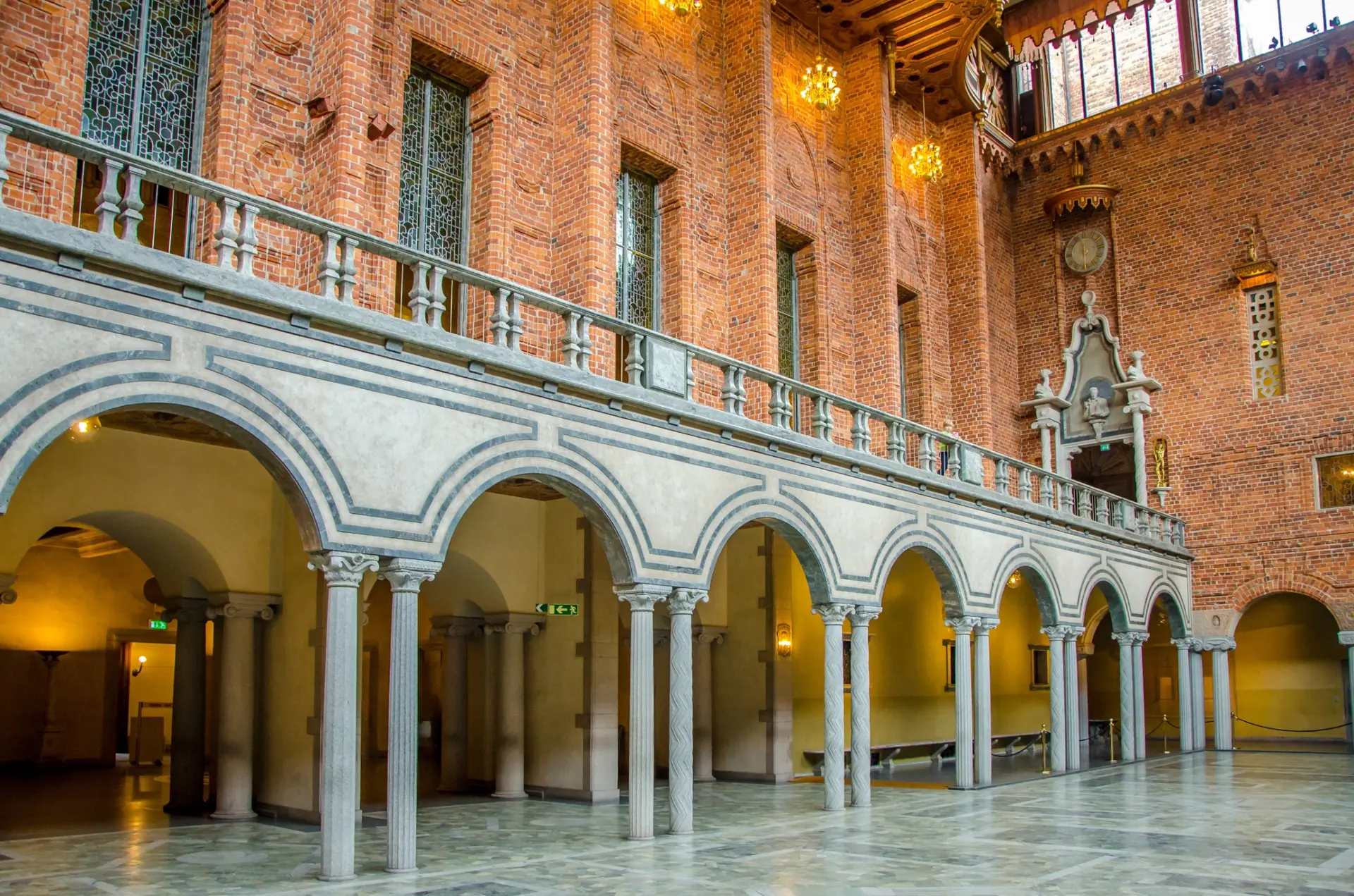
It is impossible to visit Stockholm without noticing the imposing silhouette of its City Hall (Stadshuset), recognizable by its red brick tower crowned with three golden crowns, Sweden's national emblem. Located by the water, it faces Gamla Stan and offers one of the city's finest panoramas.
The interior is equally worth exploring. This is where the emblematic Nobel Prize banquet is held every year, in the famous Blue Hall. The Golden Hall, decorated with millions of golden mosaics, impresses with its splendor and symbolism. For the more adventurous, climbing the tower allows you to admire Stockholm from above.
Royal Monuments: Palaces and Castles
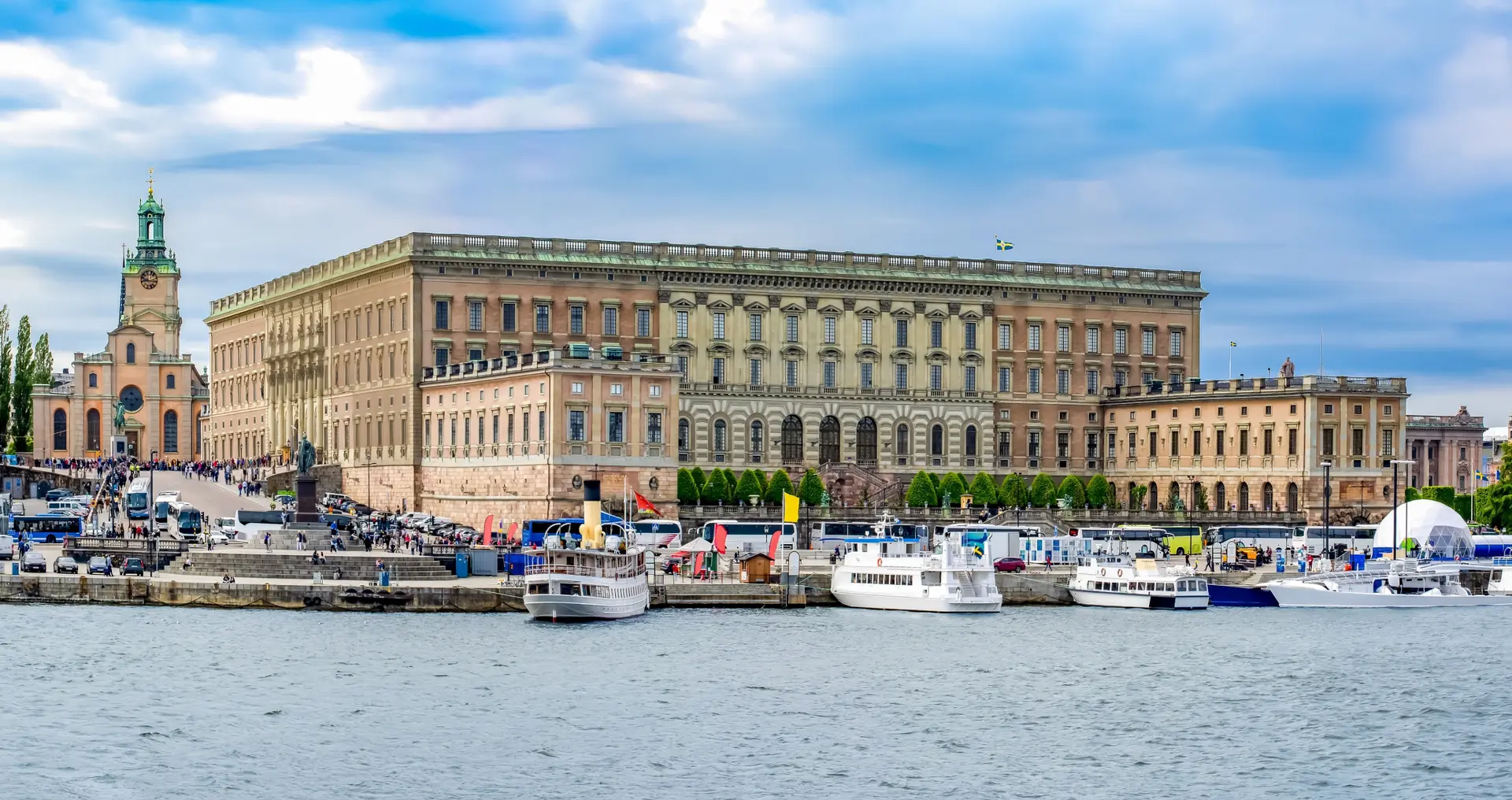
The Swedish monarchy is an integral part of the country's history, and Stockholm boasts several remarkable royal palaces, each offering a different facet of this heritage.
Stockholm Royal Palace
Located in Gamla Stan, Stockholm's Royal Palace (Kungliga slottet) is one of Europe's largest palaces still in active use. It houses over 600 rooms, museums, as well as the official apartments of the King. Partially open to the public, visitors can access several major spaces: the state apartments, the Royal Treasury, the Museum of Antiquities of Gustav III and the Museum of the Three Crowns. The changing of the guard, highly codified, is also a major attraction.
Drottningholm Palace
Designated a UNESCO World Heritage site, this 17th-century palace is the private residence of the royal family. A large part of Drottningholm Palace is open to the public: state rooms, an 18th-century baroque theatre and vast gardens. Accessible by boat from Stockholm, the journey is an integral part of the experience.
Rosendal Palace
More intimate, Rosendal Palace is above all a royal pleasure pavilion. It is possible to visit the interiors during the tourist season, but the real draw lies in the gardens, park and greenhouses, much beloved by Stockholm residents. A short visit, ideal to combine with a stroll on Djurgården island, the "museum island."
Ulriksdal Palace
Nestled in a vast park north of the city, Ulriksdal Palace is still occasionally used by the royal family. Some interior spaces may be open during temporary exhibitions, but it is mainly the park, greenhouses and gardens that can be visited freely. It is a more intimate venue, often overlooked by hurried visitors.
Essential Museums to Visit
Stockholm is one of Europe's capitals richest in museums, with a varied and accessible range for all audiences.
Historical and Cultural Museums:
Skansen : considered the world's oldest open-air museum, Skansen allows you to discover traditional Swedish life through historic houses, working artisans and animals emblematic of Nordic fauna.
Vasa Museum : this museum houses the Vasa, a remarkably well-preserved 17th-century warship, offering a fascinating immersion into Swedish maritime history.
Nordic Museum (Nordiska museet) : this reference museum explores culture, traditions and the Swedish way of life, from daily life to major social changes, from the 18th century to today.
Museum of Swedish History : ideal for understanding the country, this museum traces Swedish history from prehistory to the modern era, with a substantial collection dedicated to the Vikings.
Art Museums
Nationalmuseum : Sweden's largest art and design museum, it features rich collections of Swedish and European paintings, sculptures and decorative arts from the Middle Ages to the early 20th century.
Moderna Museet : devoted to modern and contemporary art, this major museum brings together works by Picasso, Dalí, Matisse and contemporary Scandinavian artists.
Waldemarsudde : housed in Prince Eugène's former residence, this museum combines art, architecture and nature, with temporary exhibitions and a verdant setting by the water.
Interactive and Playful Museums
Nobel Prize Museum : it traces the history of the Nobel Prize, presents the stories of laureates and highlights major scientific, cultural and humanitarian advances.
ABBA Museum : an interactive and playful experience, this museum immerses visitors in the world of Swedish pop group ABBA, featuring mythical costumes, studios and music archives.
Fotografiska : an internationally renowned contemporary photography museum, Fotografiska offers engaging temporary exhibitions blending art, society and environment.
Junibacken : dedicated to Swedish children's literature, Junibacken celebrates Astrid Lindgren and her iconic characters in a magical universe loved by families.
Good to know
Stockholm's metro is often called the "world's longest art gallery". Indeed, over 90 metro stations in Sweden's capital are decorated with artworks: frescoes, sculptures, contemporary installations. Some stations, like T-Centralen or Stadion, are well worth a visit on their own.
Which Islands Can You Visit in the Stockholm Archipelago?
Composed of over 30,000 islands, islets and skerries, the Stockholm archipelago stretches for several dozen kilometers, from the capital to the Baltic Sea. Accessible as a day trip from the city center, no need to be a seasoned adventurer to enjoy it. Here are some islands to discover :
Fjäderholmarna: the Gateway to the Stockholm Archipelago
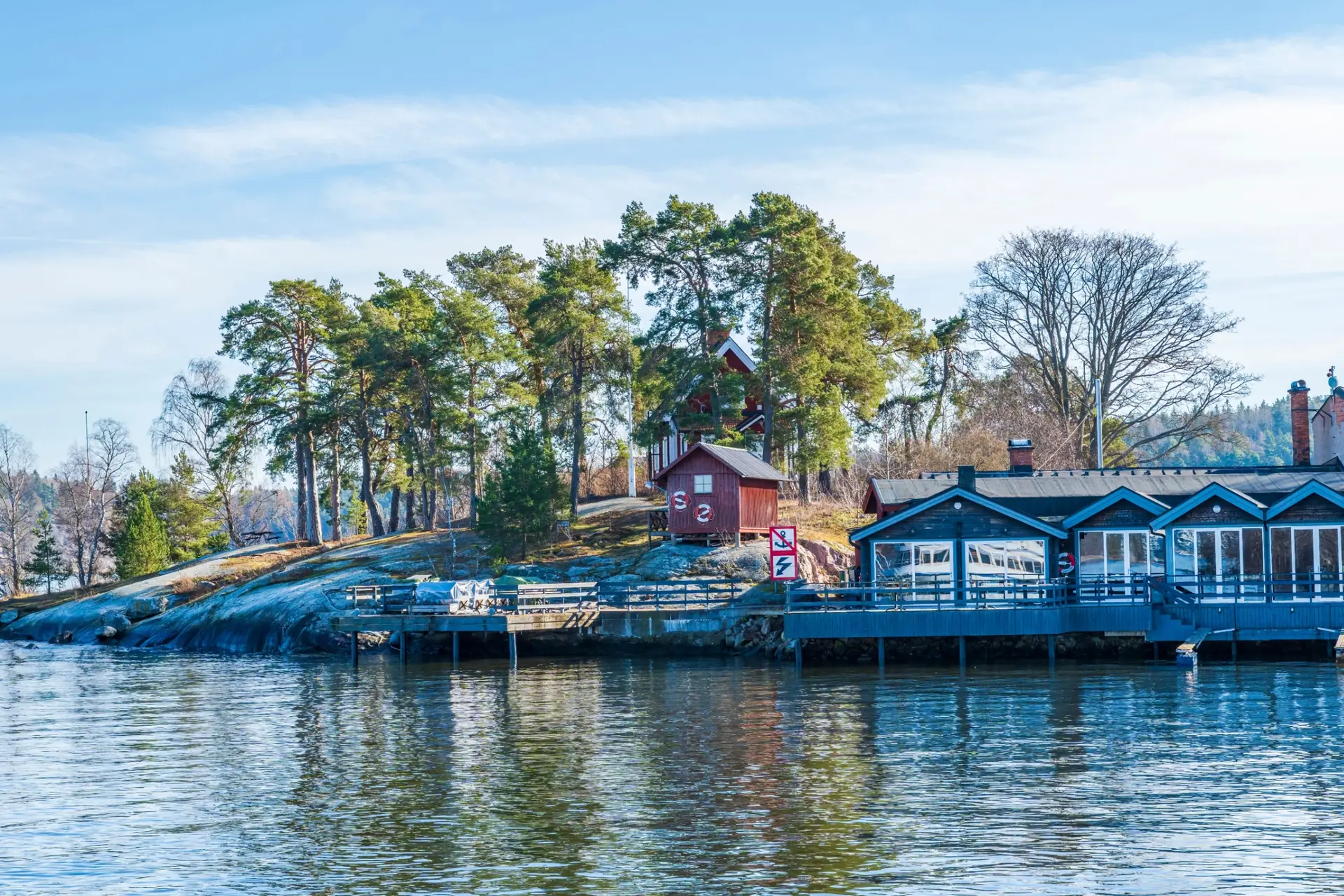
Located less than 30 minutes by boat from the city center, the islands of Fjäderholmarna offer an ideal first taste of the archipelago. Very popular with Stockholm residents, they offer a concentration of Nordic atmospheres: small wooden houses, artisan workshops, galleries and waterfront restaurants. Easy to access and well-equipped, Fjäderholmarna are perfect for a half-day escape, combining a stroll, waterfront dining and first steps into the Swedish island world.
Vaxholm: the "Capital" of the Stockholm Archipelago
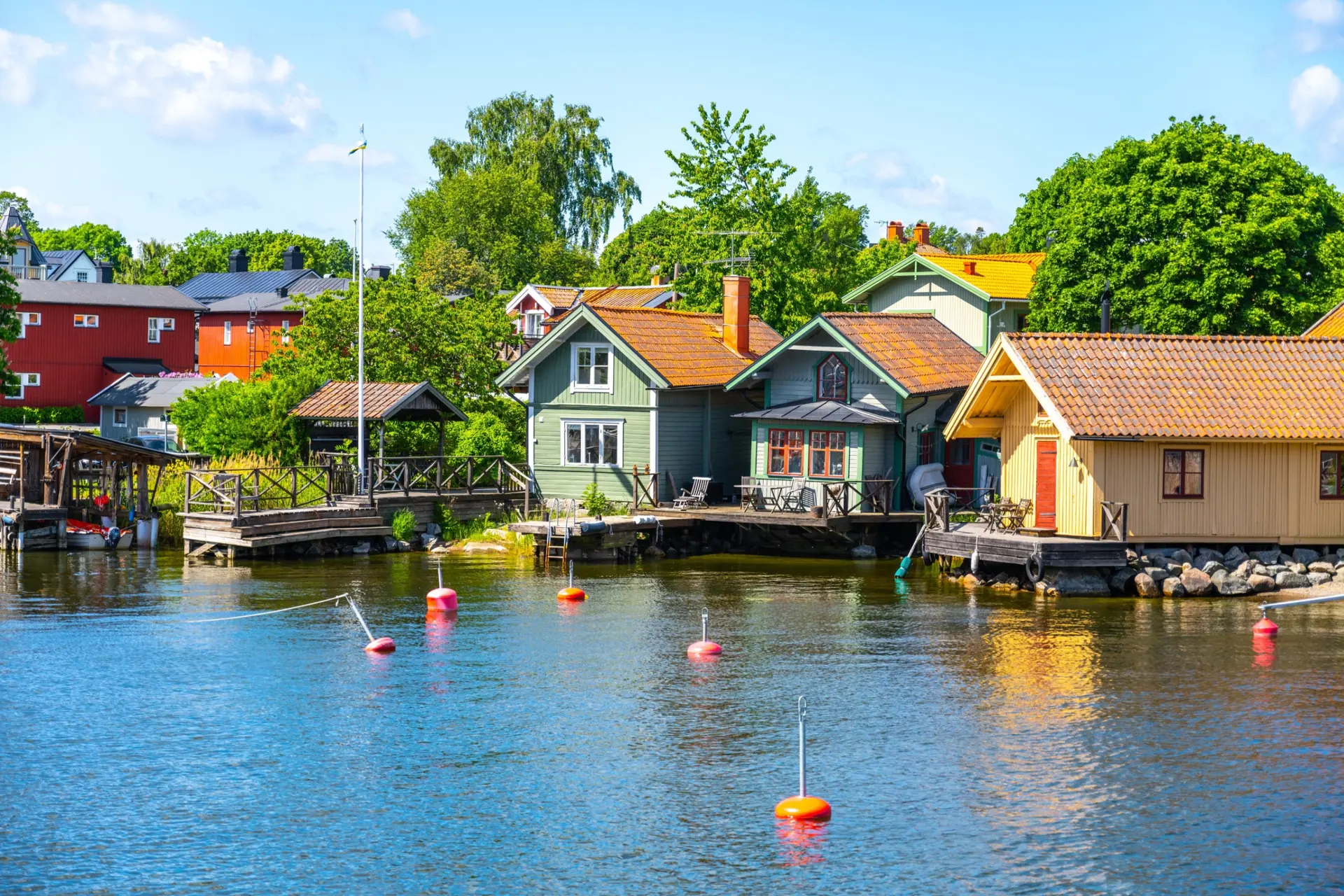
Often called the archipelago's capital, Vaxholm is one of the most iconic islands around Stockholm. Its lively little center, colorful wooden houses and 19th-century fortress make it a cherished destination for both visitors and locals. Accessible by ferry or fast boat, Vaxholm lends itself perfectly to a day trip, with its cafés, walking trails and views over the surrounding islands.
Grinda: the Wild and Natural Island of the Archipelago
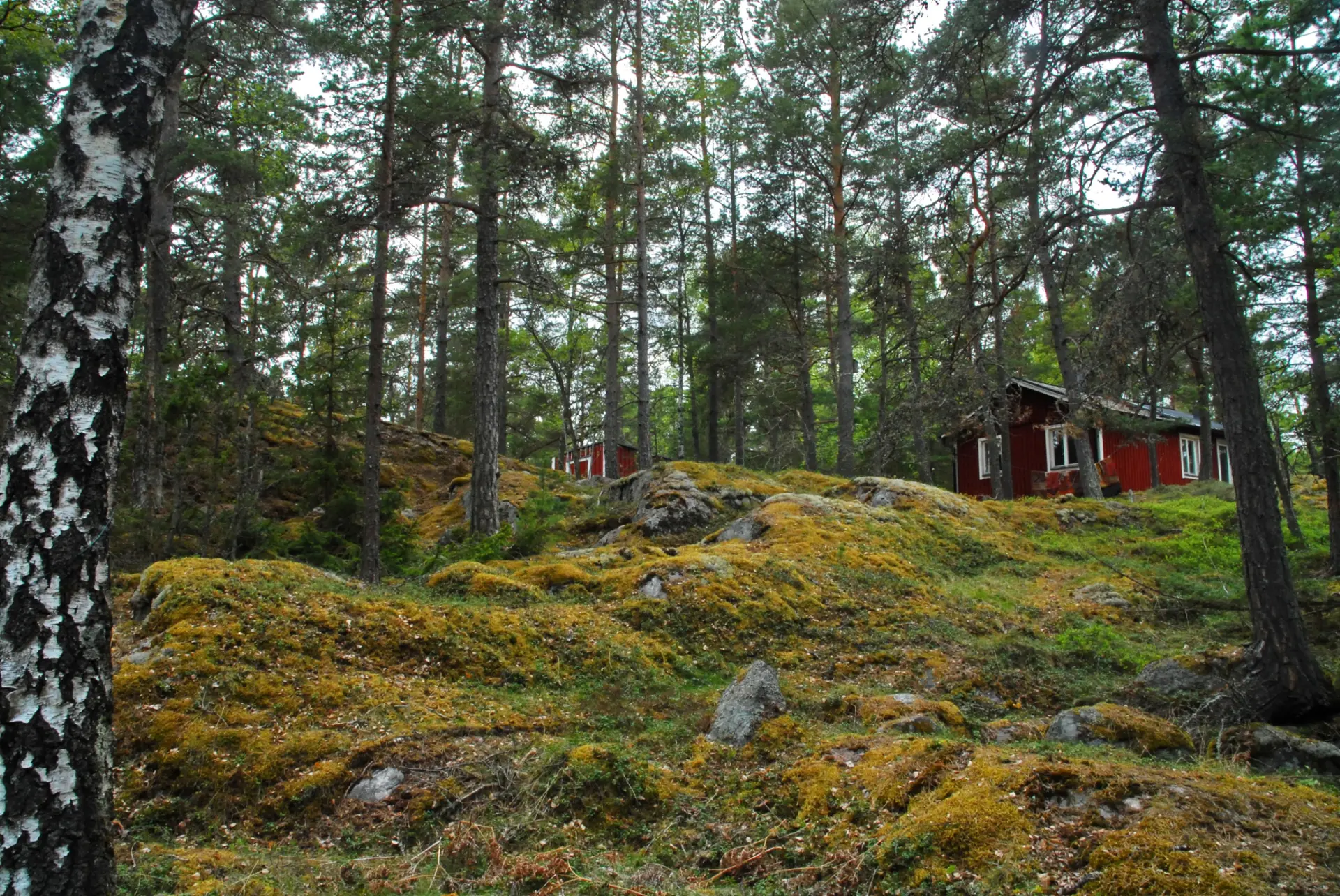
Designated as a nature reserve, Grinda captivates with its peaceful and unspoiled atmosphere. Here, few structures: forests, sea-smoothed rocks, swimming coves and hiking trails. Grinda is ideal for travelers seeking disconnection and nature, wishing to discover the Stockholm archipelago in its most authentic form, far from urban bustle.
Sandhamn: the Maritime and Beach Island of the Archipelago
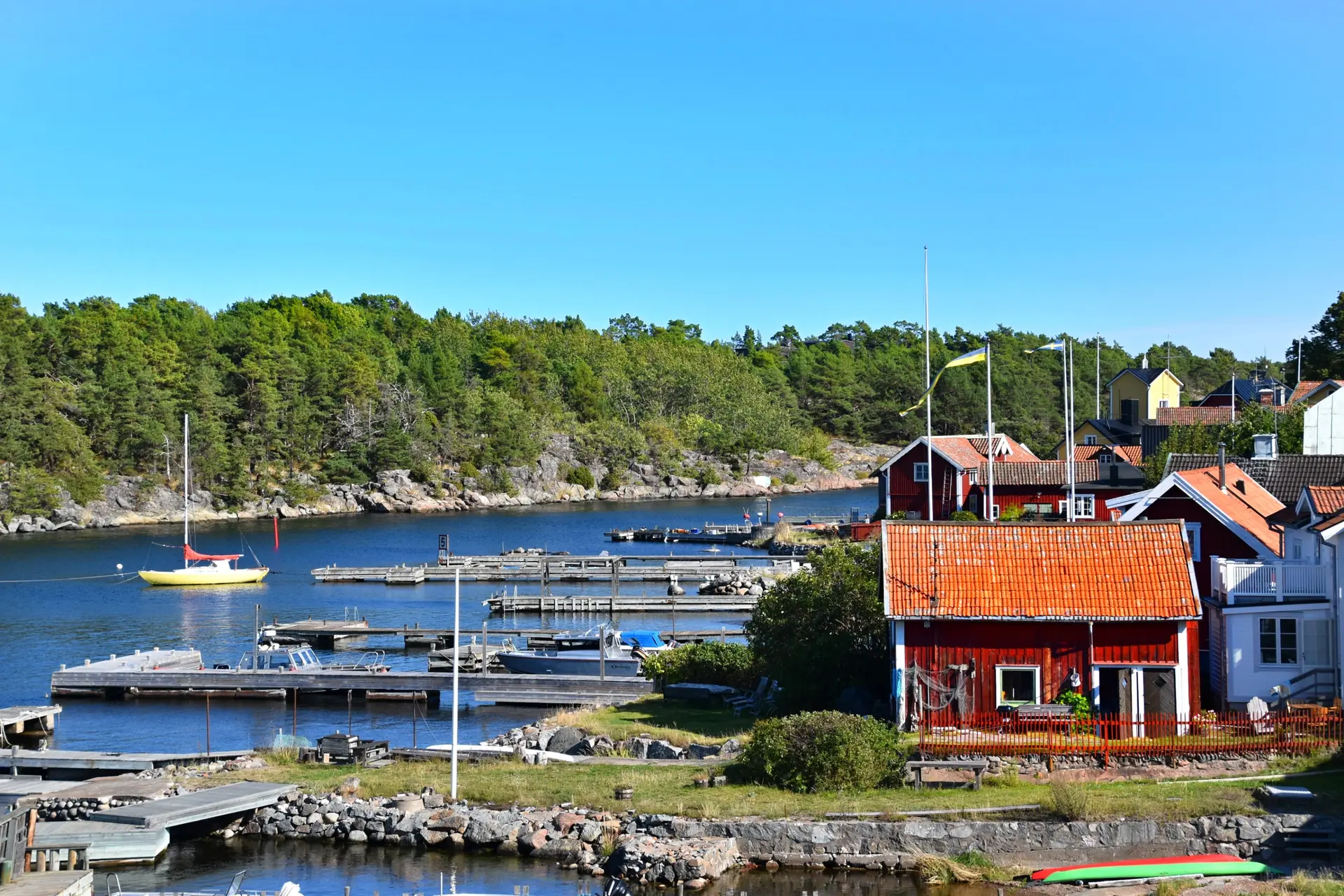
More remote from Stockholm's center, Sandhamn is one of the archipelago's most well-known islands. Renowned for its lively port, its sandy beaches and seaside atmosphere, it attracts sailors and outdoor enthusiasts every summer. Sandhamn is particularly appreciated for its maritime character and landscapes opening onto the Baltic, but requires more travel time. It therefore lends itself better to a longer stay or a well-organized excursion.
Möja: the Authentic Archipelago, Away from the Crowds
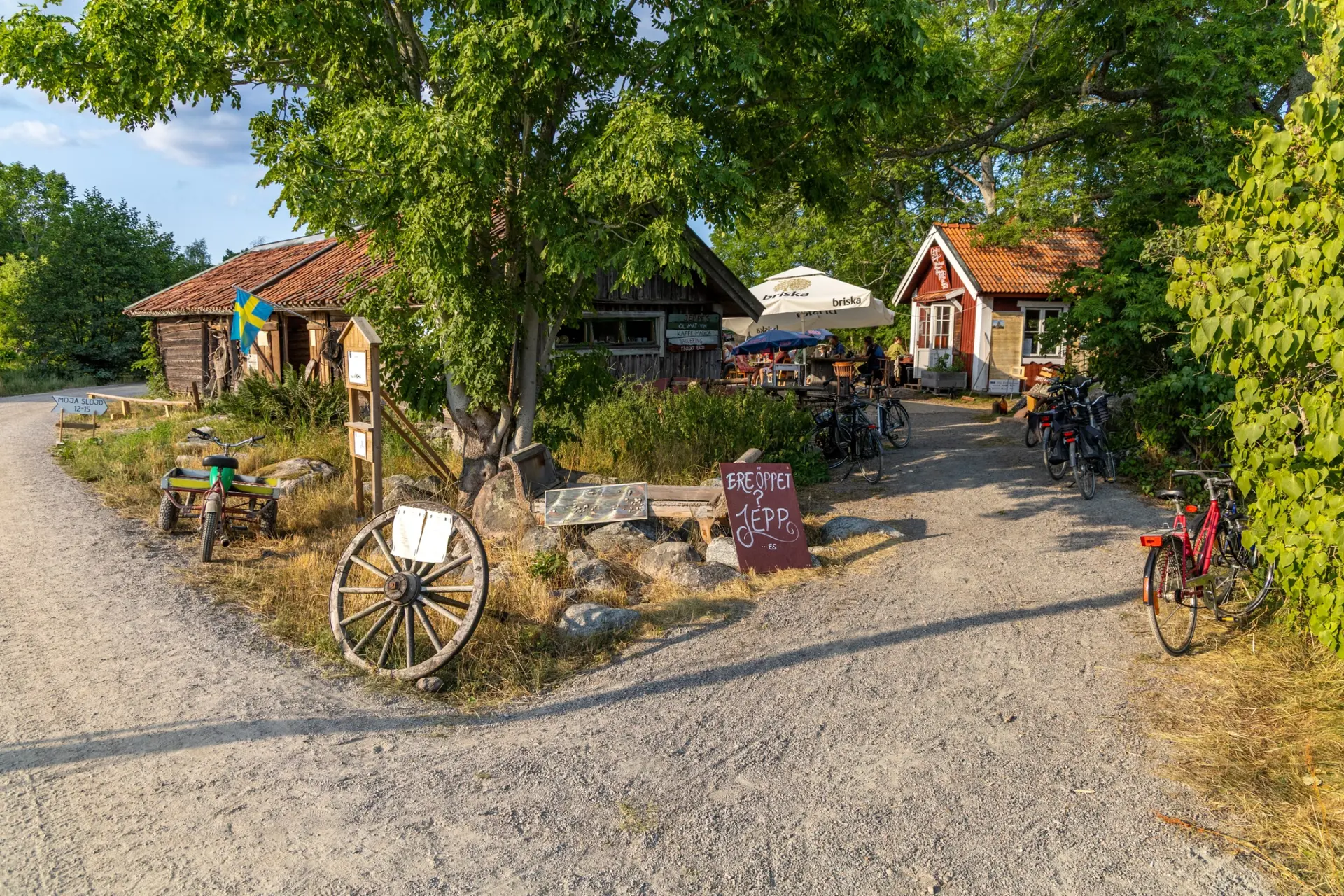
Less frequented than its neighbors, Möja offers a glimpse into Swedish island daily life. Traditional villages, quiet roads, forests and wild shorelines compose an understated and sincere setting. Here, time seems to slow down. Möja appeals to travelers seeking authenticity, wanting to discover a living, inhabited archipelago far from the most touristy circuits.
Practical Info
How to Reach the Stockholm Archipelago Islands?
Public Ferries (Waxholmsbolaget) : this is the most economical and authentic solution for traveling between islands, with regular departures in season.
Fast Boats : In high season, express services connect some remote islands, like Sandhamn, significantly reducing travel time. These boats are perfect for a day trip when your schedule is tight.
Organized Excursions : a comfortable option to maximize your time and discover the archipelago without worrying about logistics.
What Typical Experiences Should You Have in Stockholm?
Here are the essential experiences that allow you to feel the Swedish soul, blending traditions with modernity.
Enjoy Fika, a Tradition and Social Ritual
Fika is much more than a simple coffee break: it is a ritual deeply rooted in Swedish daily life. It involves sharing a convivial moment over coffee, accompanied by local pastries such as kanelbullar (cinnamon rolls). Taking time for a fika, in a cosy café or on a terrace by the water, means experiencing the Swedish rhythm of life, where pauses and conviviality are valued. It is a local custom that invites you to slow down and appreciate conversations.
Discover Nordic Gastronomy in the Halls
Stockholm is a gourmet capital, where local cuisine is celebrated in covered halls and markets. Östermalmshallen offers fresh and refined products: smoked fish, Swedish meatballs, cured salmon or artisanal cheeses. The Hötorgshallen and Södermalm halls offer a more contemporary and trendy experience, blending Nordic street food and revisited local specialties.
Good to know
Essential Culinary Specialties to Try:
Köttbullar : Swedish meatballs made from beef or pork, served with mashed potatoes, lingonberries and creamy sauce ;
Gravlax : cured salmon marinated with dill and sugar, often served with Swedish mustard ;
Knäckebröd : crispy Swedish bread, often served with cheese or smoked fish.
Prinsesstårta : an emblematic layer cake with cream and almond paste.
Experience the Swedish Sauna, a Cultural Institution
In Sweden, the sauna is not just a leisure activity : it is a wellness ritual deeply embedded in the culture. It allows you to relax, reconnect with yourself and sometimes enjoy a dip in icy water or an outdoor bath. Several public saunas and hotels in Stockholm offer this experience, often combined with views of the water or the islands, making the pause both invigorating and contemplative.
Explore Stockholm Differently
To discover the city from a different angle, Stockholm offers numerous active and immersive options :
Cycling Tour : Stockholm is an exceptionally bike-friendly city. Renting a bike allows you to easily navigate neighborhoods, waterfront paths and nearby parks and islands.
Boat Tour : with its many canals and waterside position, Stockholm is ideally discovered from a boat or ferry. The views of Gamla Stan and Djurgården from the water are unique.
Kayaking and Stand-Up Paddling : for the more adventurous, the archipelago and urban lakes offer exceptional playgrounds. Paddling between islets and discovering the city from the sea allows for total immersion in aquatic Stockholm.
Good to know
These different ways of exploring Stockholm — on foot, by bike, on water — can be experienced within the same stay, combining urban activities and nature immersion, without having to organize each experience separately. This is exactly what we offer in our 4-day Stockholm and archipelago circuit.
Practical Information for Visiting Sweden's Capital
Here is all the key information to organize your visit to Stockholm :
What is the Best Time to Visit Stockholm ?
Stockholm can be visited year-round, but depending on your preferences, certain periods are more favorable :
Spring (May-June) : parks and gardens burst into bloom, days lengthen, and the city comes alive after winter. Ideal for walking and boat tours.
Summer (July-August) : mild temperatures (68-77°F), festivals, terraces and animated archipelago. Perfect for enjoying the islands and water activities.
Autumn (September-October) : golden light, flaming colors in the archipelago, fewer tourists, ideal for a more intimate visit.
Winter (November-March) : short sunlight hours, magical snowy atmosphere with Christmas markets, winter activities and saunas.
Good to know
To combine city and archipelago, May-June or September are the best times to visit Stockholm as they offer an excellent balance: fewer crowds and optimal light for walks and photos.
How Much Time Should You Allow to Visit Stockholm ?
The time needed depends on your interests and pace :
Stockholm in 2 Days : ideal to discover the historic center, main museums and a quick archipelago excursion (Fjäderholmarna or Vaxholm).
Stockholm in 3 Days : allows you to include Södermalm, Djurgården, additional museums and a half-day in the outer archipelago.
Stockholm in 4 Days or More : you can explore several iconic islands (Grinda, Sandhamn), royal palaces and fully enjoy local gastronomy and experiences.
Discover Stockholm and Its Islands with Nomadays
Discover our complete 4-day Stockholm and archipelago city break circuit ideal for exploring the capital from every angle.
On the agenda: guided walks in the historic center, traditional fika breaks, cycling tours through neighborhoods and islands, and a full day kayaking in the archipelago with a picnic on an uninhabited island.
Each activity is accompanied by an English-speaking local guide, enriching your discovery and deepening your understanding of Swedish culture in every detail. This type of stay is perfect for those wishing to explore Stockholm and its islands at their own pace, blending heritage, gastronomy and nature, without worrying about logistics.
Contact our Nomadays teams to learn more or create your custom itinerary based on your preferences and needs !
Frequently asked questions
The best time to visit Stockholm is between May and September, when temperatures are mild and daylight hours are very long. Swedish summer offers numerous festivals and an active outdoor life. Winter can be harsh but offers a magical atmosphere, particularly around Christmas.
It is recommended to plan at least 3 days to visit Stockholm and discover its main highlights: the historic Gamla Stan district, the Vasa museum, Djurgården and various trendy neighborhoods. A stay of 4 to 5 days allows for deeper exploration of the city and excursions to surrounding areas.
Stockholm's must-sees include the historic Gamla Stan district with its medieval architecture, the Vasa museum with its Viking ships, Djurgården island and its parks, the trendy Södermalm neighborhood and the Royal Palace. The city's numerous museums also make it a first-rate cultural destination.
Stockholm is considered one of Europe's most expensive capitals. It is advisable to plan a substantial budget, particularly for accommodation and dining. However, many museums are free and costs can be reduced using the Stockholm Pass, which provides unlimited transport and access to numerous attractions.
Stockholm has an excellent public transport network (metro, tram, bus and ferry) making it easy to reach all neighborhoods and archipelago islands. The Stockholm Pass includes unlimited transport and access to many tourist sites, making it a very advantageous option for visitors.
From Stockholm, it is easy to explore the Swedish archipelago, which comprises over 30,000 islands. The city of Sigtuna, one of Sweden's oldest, and Drottningholm Palace (a UNESCO World Heritage site) are highly popular excursions less than an hour from the capital.